
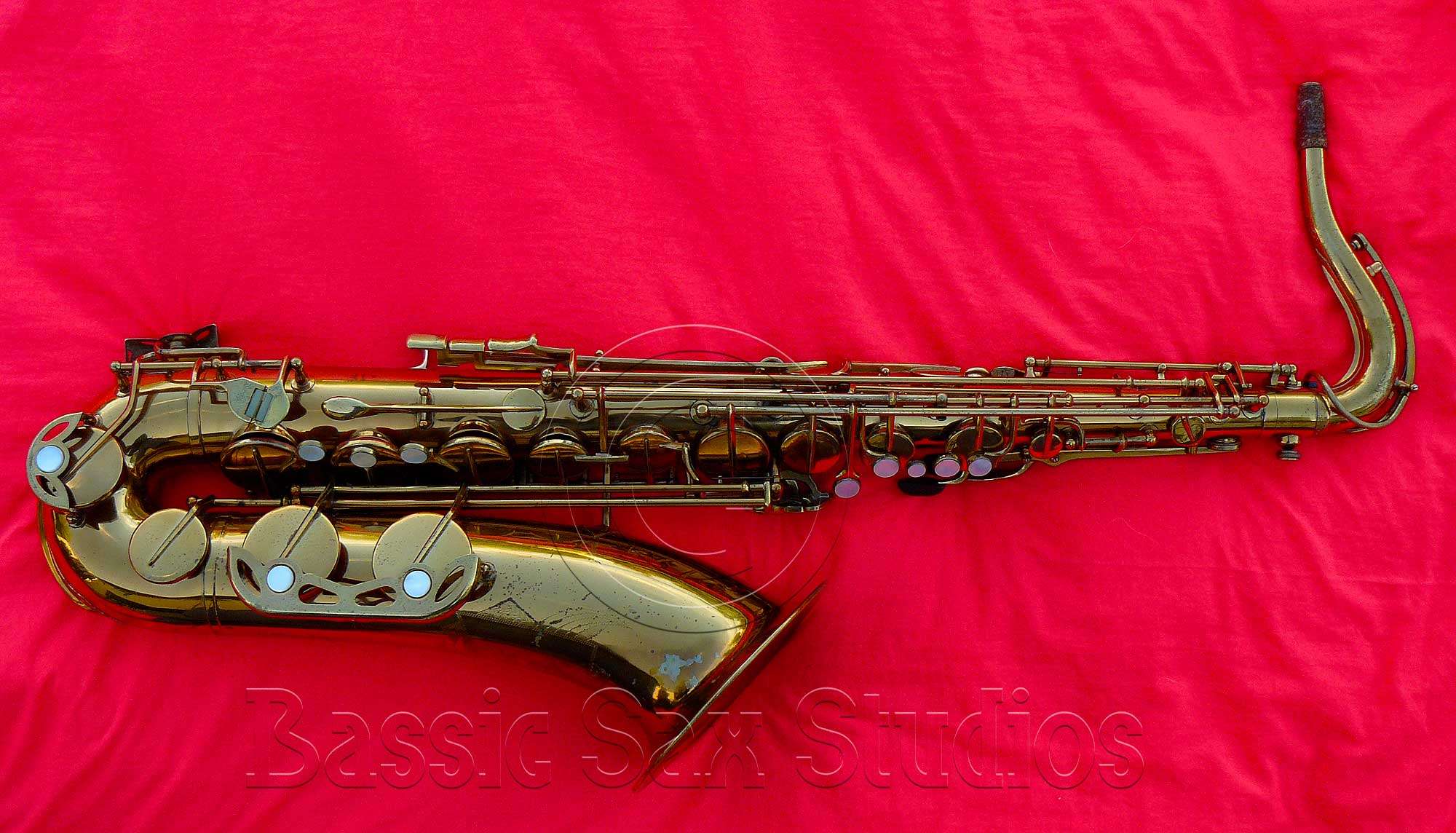


Dörfler & Jörka Saxophones


I am very pleased to unveil the newest in my 2026 research: the analysis of the Dörfler & Jörka (D&J) data I published earlier this month. These 3 pages represent the most complete set of data points and information you will likely find anywhere, and in any format or language.
Over the years the original D&J pages on Bassic Sax continued to be some of the most popular of the original website, but were last updated in 2012. It only made sense therefore, to catalogue some new names; collate all the new data I have; and finally, redo the entire Dörfler & Jörka section.
The result? The new Dörfler & Jörka from Western Germany pages on this, The New Bassic Sax website.
In case you’re new to the party and don’t know much about D&J saxophones, here’s the summary I recently wrote that gives the best description I can about this brand, which often gets confused with Keilwerths of the same era.
Main Highlights of D&J history: AKA, what it is and isn’t
- PRIOR to founding D&J, Josef Dörfler and 2 associates worked for Julius Keilwerth, by attaching the keywork they had made according to JK’s specs, to the JK body tubes.
- When orders from JK declined, Josef Dörfler found a business partner in Hubert Jörka, and D&J was born.
- D&J operated in Nauheim between 1950 – 1968.
- During those 18 years D&J produced thousands of alto and tenor saxophones in their factory in Nauheim.
- These saxes were tonal copies of Keilwerth’s The New King & Toneking, but not exact physical copies.
- D&J did NOT make their own baritones. The body tubes came from a famous French saxophone maker.
- D&J made horns under a great many stencil names, but the horns are easily identifiable, and distinguishable from Keilwerth’s.
- D&J was contracted by Keilwerth to build the Selmer Bundy brand for the US market.
- Once he closed D&J, Josef Dörfler, was hired back at JK (he had worked for them in Graslitz already) where part of his duties included training Julius’ grandson, Gerhard.
So to be clear, D&J did NOT make Keilwerth stencils. They made tonal copies of Keilwerth saxophones, and sold them under their own SKY brand. Then they sold stencils by the thousands of their SKY models. Make sense?
Or for those who are visual, here’s a Venn diagram for you.

Contents of new D&J pages
I have add loads of new content to the new D&J pages, as well as 100+ new images in galleries to illustrate stuff for you. Here is a sampling of what’s now included in these D&J pages:
Company History |
Dörfler & JK |
Dörfler Alone |
Dörfler & Jörka (D&J) Hx. 1950s |
D&J Features |
Rolled Tone Holes |
Round Thumb Screw |
Octave Lever #1 |
Octave Lever #2 |
Clothes Guard |
Chromatic F# key |
Key Guard Buttons |
Low Eb/C Mechanisms |
Serial # on Neck |
Made In Stamp |
Finish Options |
Engraving |
Bell Engraving Gallery |
Stencil Names |
Gallery of Stencil Names |
D&J Baris |
Bari Gallery |
Unusual Key Guards |
Wire |
Angel Wing |
Court Actions |
D&J Hx. 1960s |
Serial Numbers |
Necks |
D&J vs JK in Pix |
Neck Fastening Screw |
Tone Holes |
Post Shapes |
Angel Wing |
Bell Key Bumpers |
Pant Guard |
Key Shapes & Locales |
D&J vs Toneking |
D&J vs The New King |
Measurement Chart |
Galleries of Measurements |
Key Take Aways |
It should go without saying that I have also noted my external sources extensively throughout. 
So to sum up then
If you are looking for information on a saxophone that was made by Dörfler & Jörka, or you’re not sure if a horn for sale is really the JK the seller says it is, then the new D&J pages are the place to go.
Additionally, Bassic Sax Pix also has an extensive D&J gallery that you can check the horn in question against.
So grab a drink; kick back; and delve into the vintage waters of the Western German saxophone maker D&J. There is A LOT of info there now. Enjoy!
