Prelude
I originally started writing this on November 15, but it took a bit of time to gather up the interview information from the people directly involved with this project. After getting some server issues sorted out, and making some major decisions on my website, I thought this would be the perfect topic to officially launch The New Bassic Blog saxophone articles for 2026.
So without further ado, I am extremely pleased to be able to provide both the already known, as well as some previously unknown, information about the new CONN CAS811 alto saxophone.

On November 6, 2025, on what would have been Adolphe Sax’s, 211th birthday, Conn Selmer—which is owned by Steinway, which in turn is owned by the private investment management company Paulson & Co., Inc., based in Palm Beach, FL 1 —released what they call the CAS811LTD150 Limited Edition, 150th Anniversary model alto saxophone. This was Conn’s first professional model saxophone in 55 years.2
The response from the saxosphere was predictably swift, and almost entirely brutally negative. While some players said they would keep an open mind, or even were happy about this new pro offering, the ever-present keyboard warriors pounced on everything from its finish, to engraving, to its name, and of course the price.
Bottom line: You can’t please everyone all of the time, and some people can’t be pleased at all. Hell, even if one of these  were offered a 5 digit Mark VI tenor for 5K, they would still find something to bitch about.
While some of the players may have raised reasonable issues, the constant drumbeat of negativity was just way over the top IMO.  99% of those taking part in the discussions, and leaving comments, had ZERO direct knowledge of the new Conn alto.
By November 8th I was so over all of these discussions, I decided to reach out to a couple of people I suspected were involved with the project to get their take on things. Since the possibility of my being able to play-test one of these limited number of horns of was likely zilch, I figured I would go directly to the source.
Before we get to their input, let’s take a look at what the available online sources note about this new Conn alto.

Conn Selmer
Conn Selmer says the following about the CAS811LTD150 on their website.
Conn Alto Saxophone in Eb CAS811LTD150
SKU: CAS811LTD150 I Level: Professional / 800
Finish
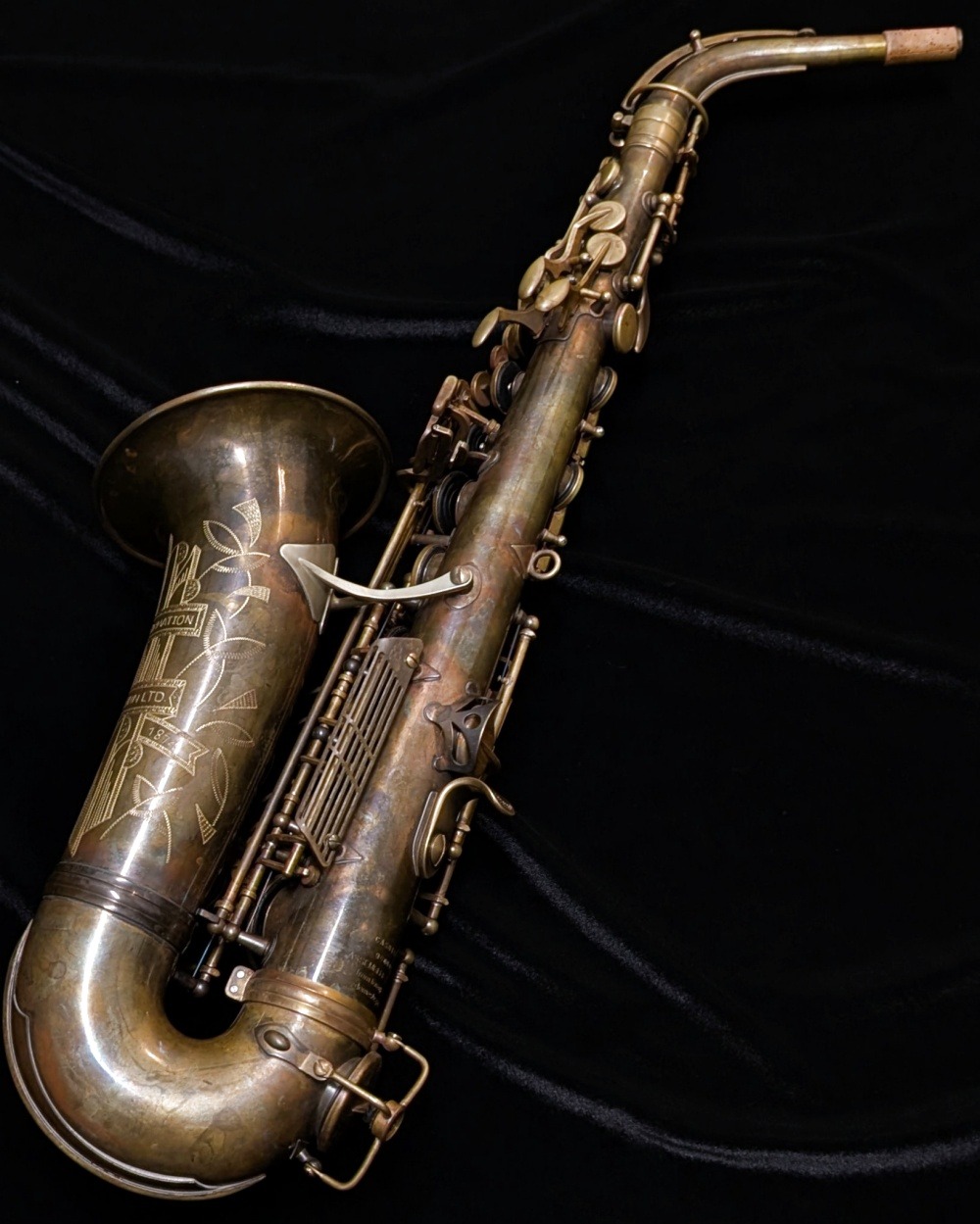
Dark Lacquer Finish
Case and Mouthpiece
Contour Case, Brilhart Ebolin 7 Mouthpiece
Description
The Legacy of CONN Saxophones
The CONN legacy began in the 1880s, when the company became the first saxophone manufacturer in the United States. Renowned for superior quality and innovative designs, CONN quickly grew to become the largest saxophone manufacturer in the world. For more than a century, CONN saxophones have been the instruments of choice for top saxophonists across the globe.
In recent years, CONN has listened carefully to the resounding call from musicians seeking a true vintage American sound, combined with modern ergonomics and scale, and crafted specifically for jazz and commercial genres.
Introducing the CONN CAS811 CONNfirmation Alto Saxophone
CONN is proud to introduce the CONNfirmation, a professional alto saxophone with unsurpassed acoustics and resonance. Designed and hand-crafted for a sound that is warm, colorful, and robust with maximum flexibility, the legendary CONN sound is now available in a modern horn with the CONNfirmation: a saxophone for musicians, by musicians.
The CONNfirmation was developed with and for today’s eminent jazz and commercial saxophonists. By combining traditional knowledge with state-of-the-art technology and innovation, CONN has created an instrument with superb acoustics. Throughout the entire scale, the CONNfirmation’s timbre is resonant and boasts remarkable intonation. It features a lightning-fast response, is exceptionally free-blowing, and offers massive projection.
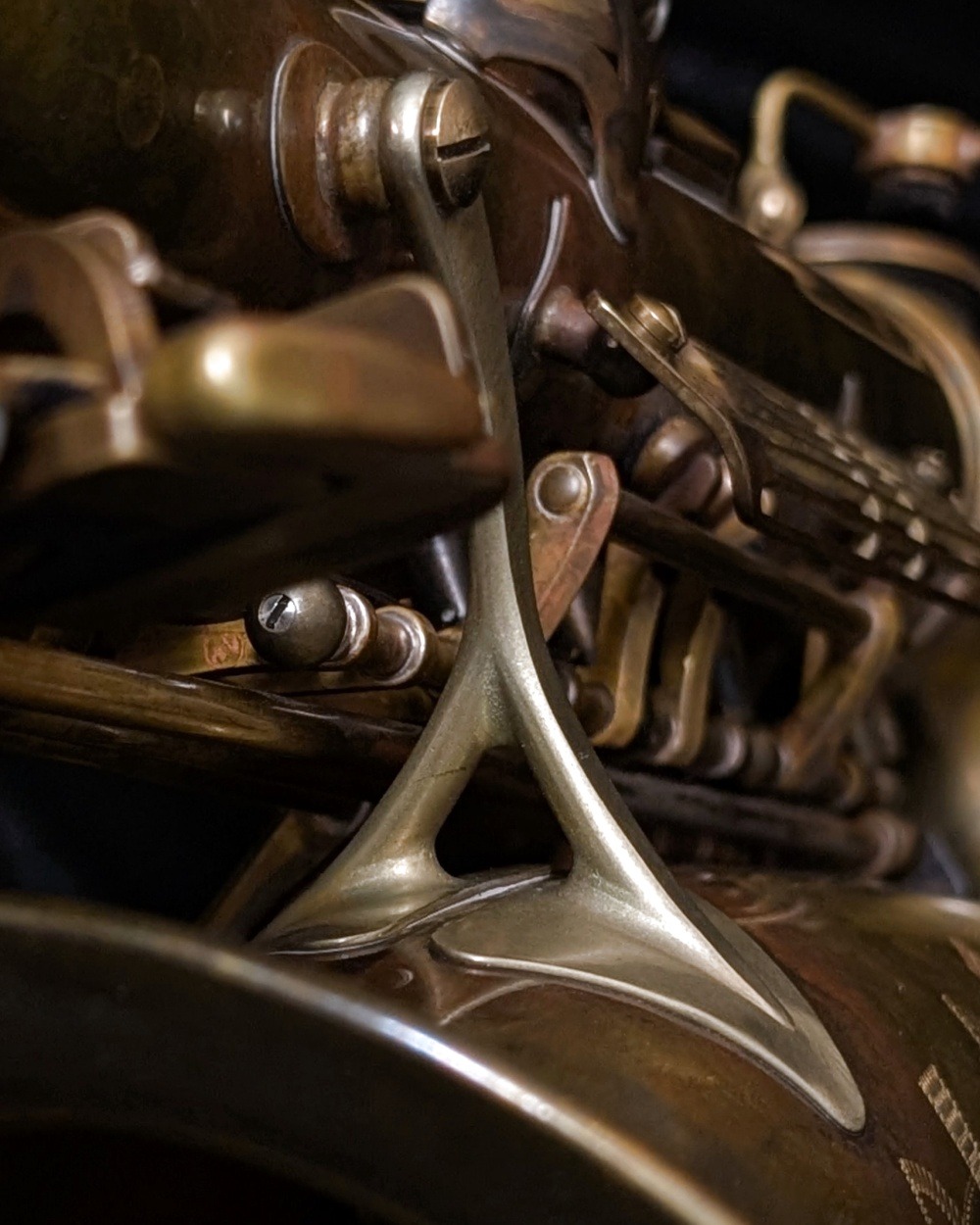
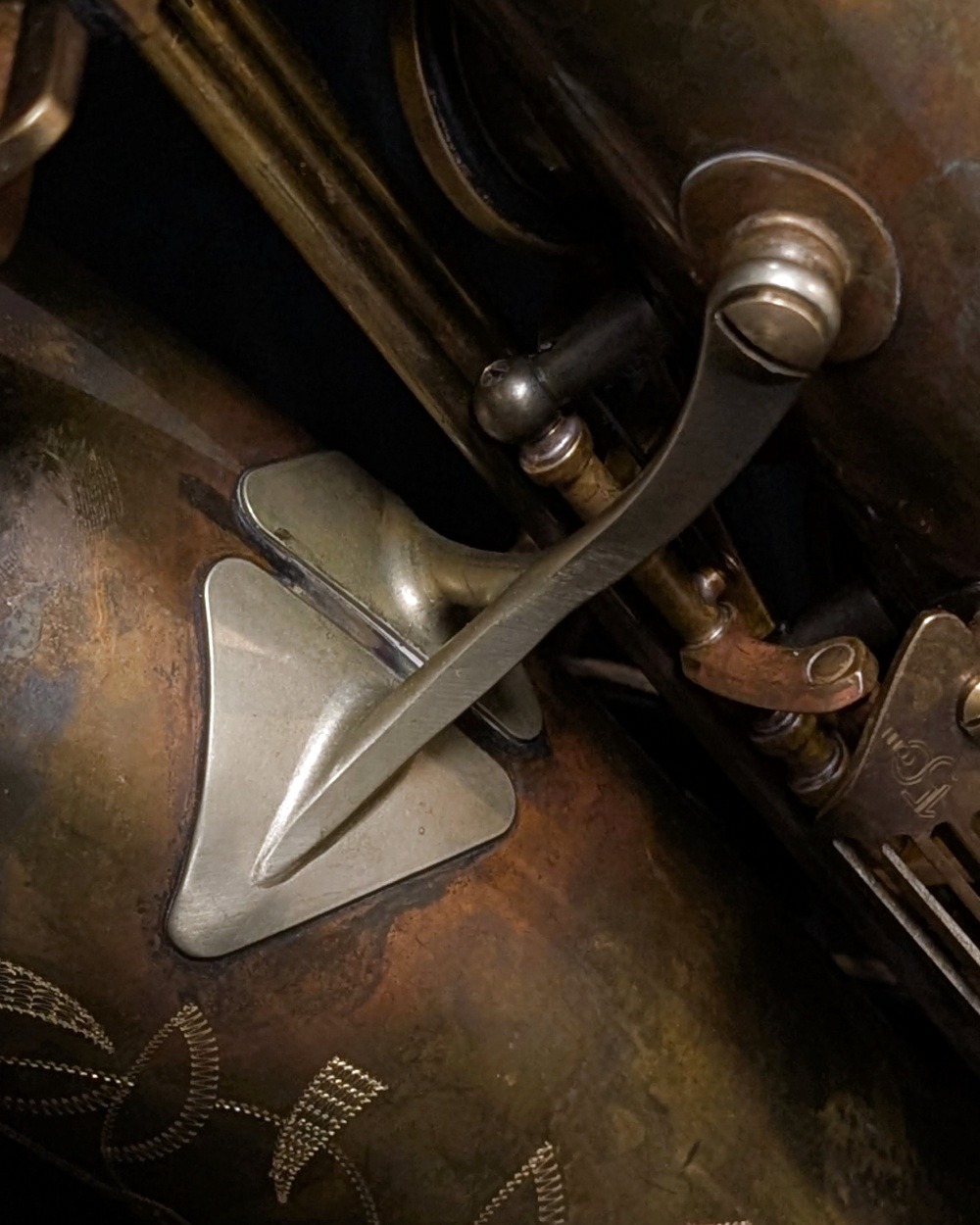
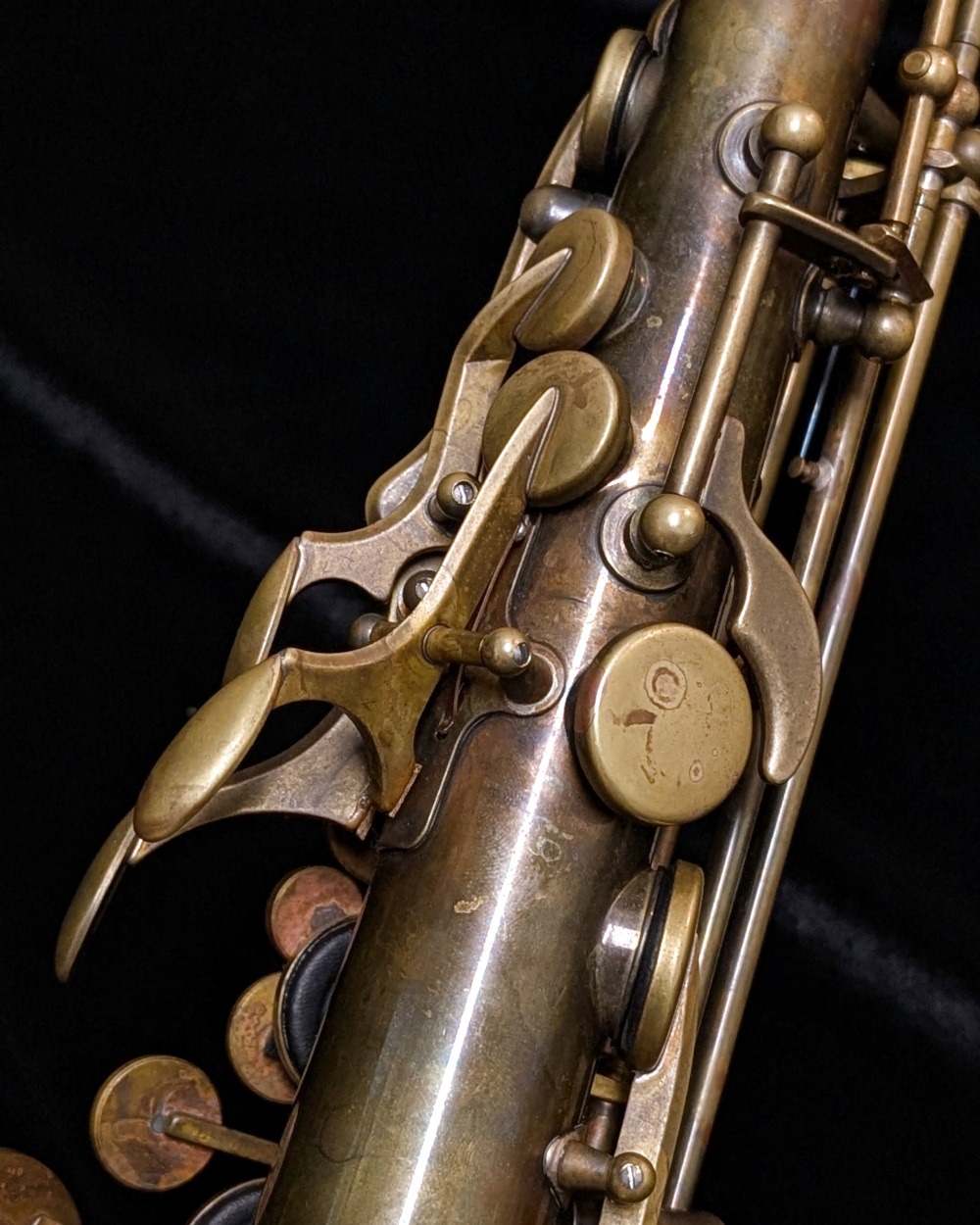
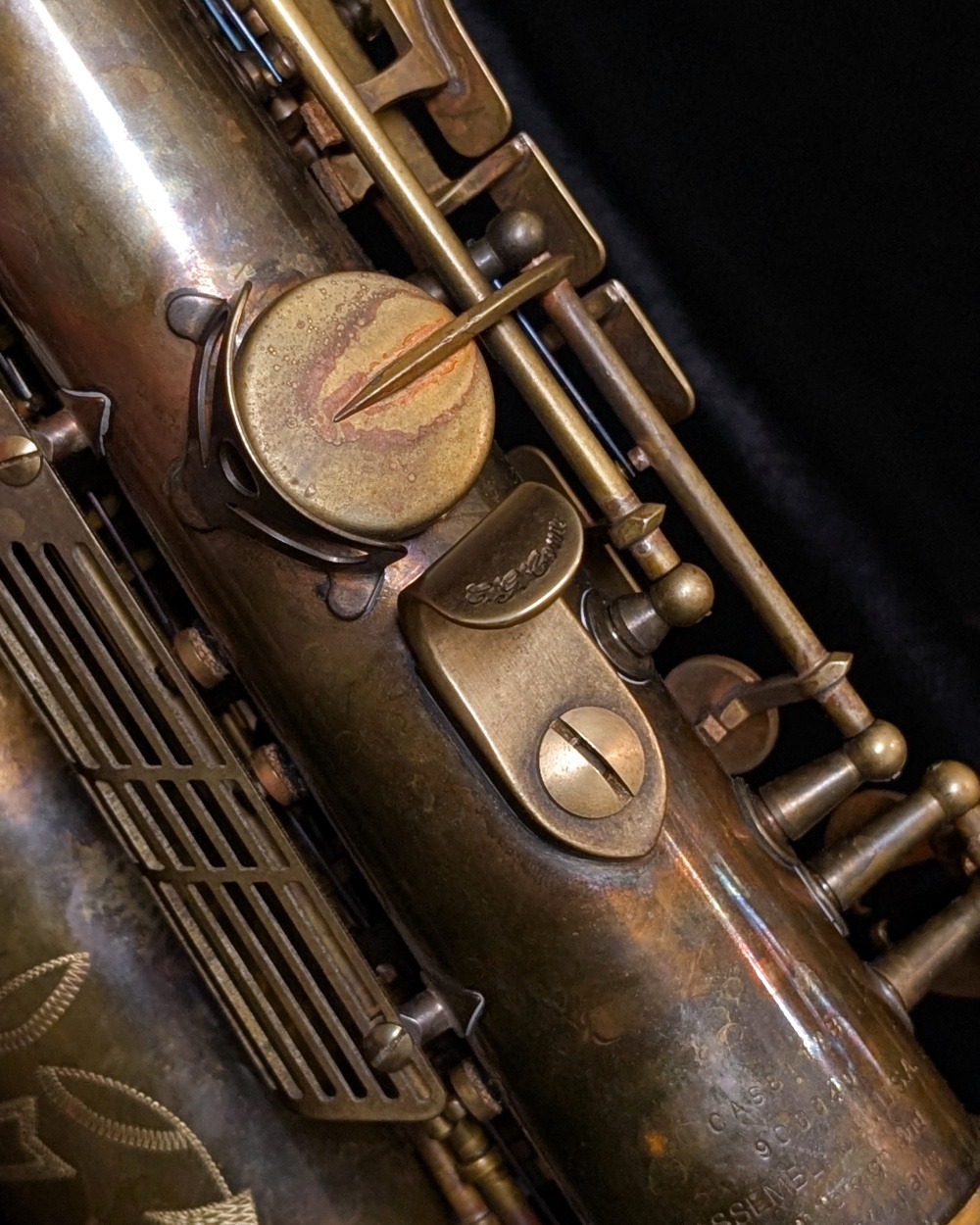
Every element of the CONNfirmation is engineered to contribute to its singular identity: a unique generative bell brace, retro-modern wire guards and neck key, oversized bow brace, knurled neck screw, and lightweight neck receiver. The CAS811LTD150 Limited Edition 150th Anniversary model is further distinguished with true rolled tone holes, limited-numbered engraving, a bespoke grenadilla end plug, and a custom case.
Features
- American Bach brass neck, body, bow, and bell for maximum resonance, projection, and sonic character
- Complex taper, larger bore design with precise tone hole locations and heights
- Revolutionary ConnSonic process: a proprietary suite of modern technologies that enhance the tone’s efficiency and complexity
- Each saxophone is hand-assembled by Conn master technicians in Elkhart, Indiana
Specifications
- Key: Eb
- Range: low Bb to high F#
- Body, neck, and bell constructed of Bach brass
- Post to body construction
- Rolled tone holes
- Generative bell brace
- Tapered neck tenon
- Pisoni Pro pads
- Flat Conn metal resonators
- Headless pivot screws
- Metal adjustable thumb rest
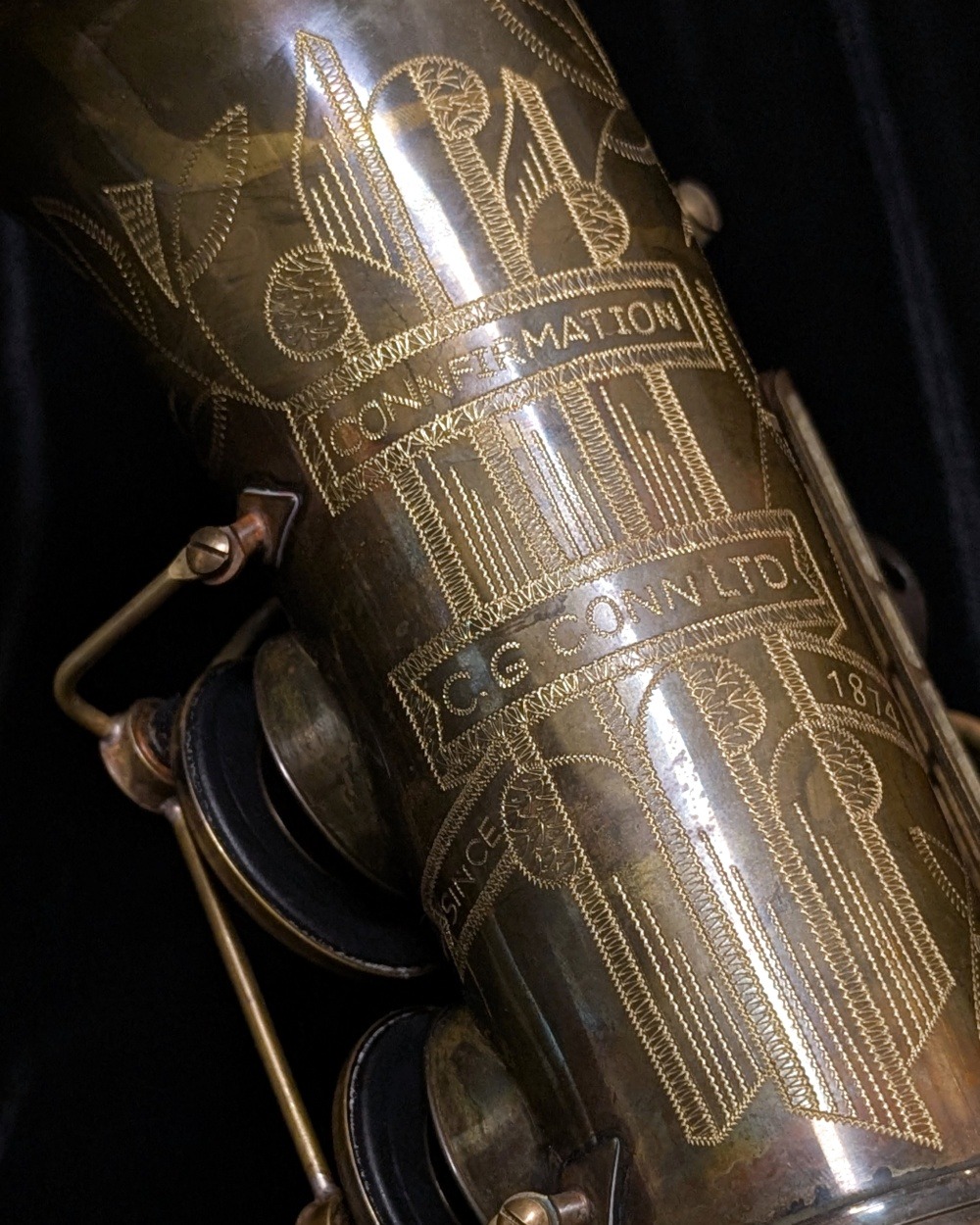
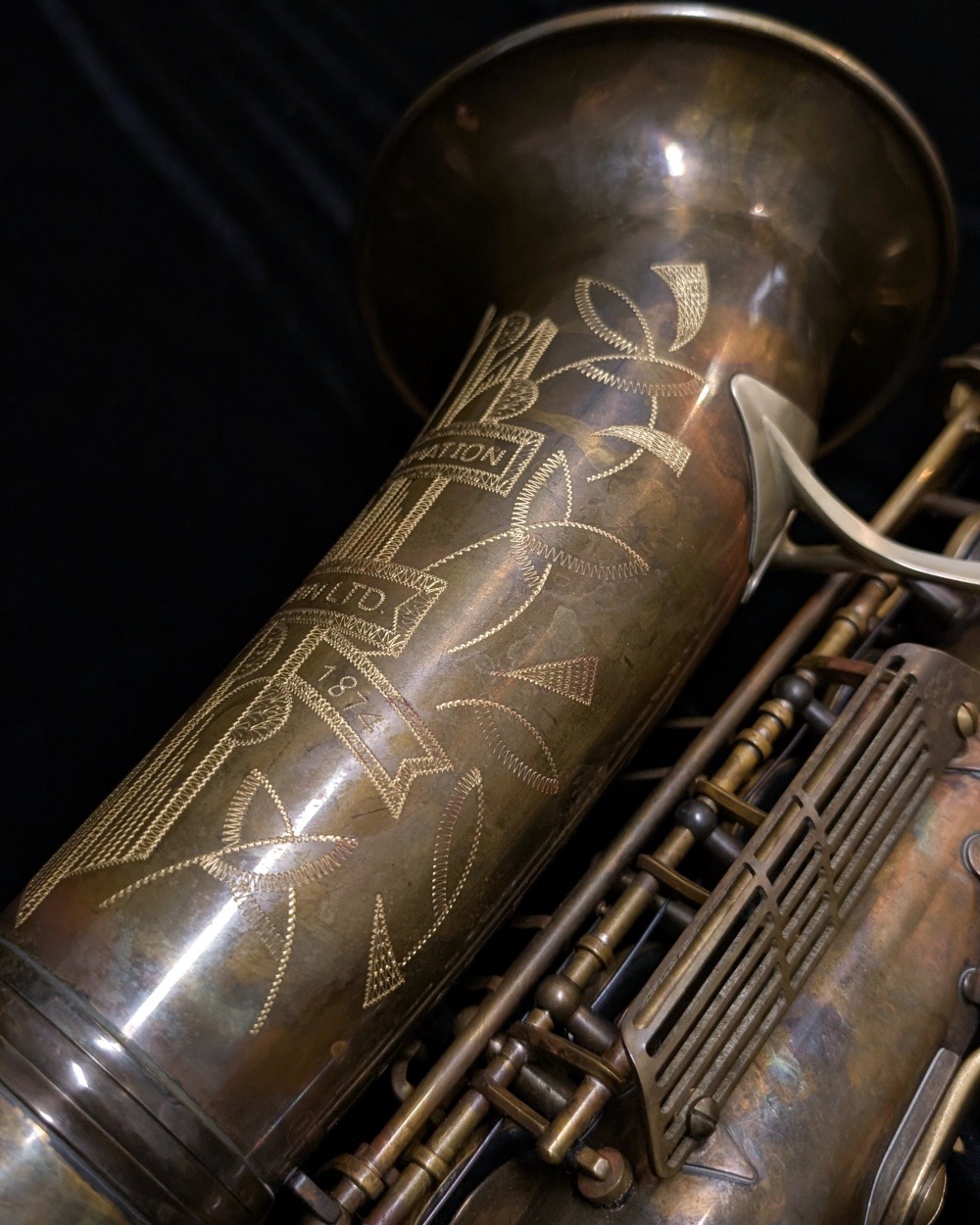
- Art Deco hand-engraved bell
- ConnSonic treatment
- Hand-finished Brilhart Ebolin mouthpiece
- Custom hardshell case
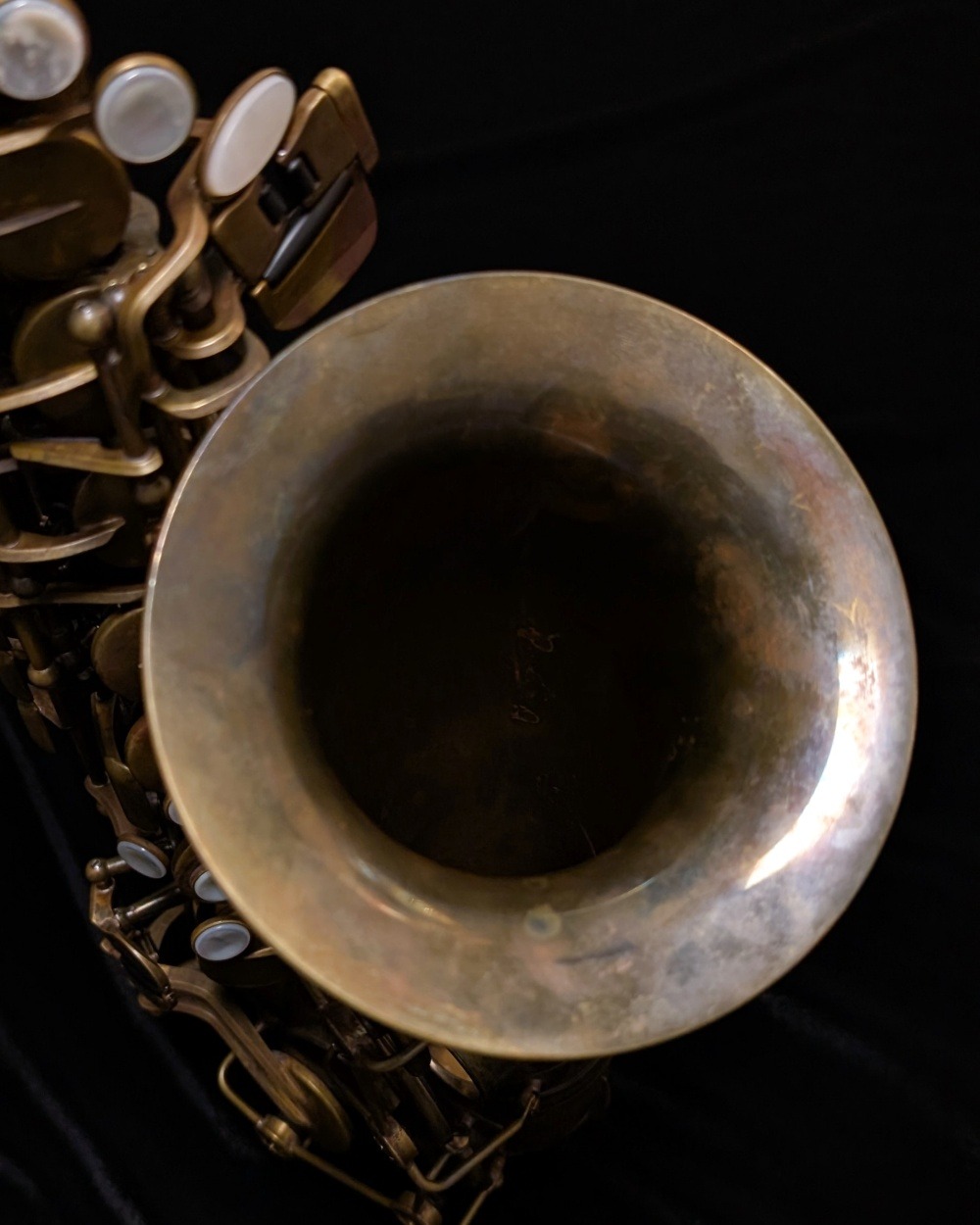
- Heat-fused Aged Brass finish
Kessler & Sons
I have the greatest respect for Dave Kessler, and am very pleased to be able to say that he has been my colleague for over a decade. I have had the opportunity to play some of the pro horns that his shop has sold, and they are without a doubt, THE BEST playing saxophones I have ever had the opportunity to play. Visiting his shop in Las Vegas is definitely on my bucket list of sax shops to go and see. But I digress. 
This is how Dave describes the CAS811 CONNfirmation Alto Saxophone on the Kessler & Sons website:

Conn 150th Anniversary Limited Edition Alto Sax – CONNfirmation
Retail: $8,999.00
$6,999.00
Conn 150th Anniversary Model Limited Edition Alto Sax
Only 40 Will Be Made!
Conn is arguably the most historic American musical instrument brand. With a legacy dating back to 1875 with the first cornet under the Conn brand, the Conn name has been nothing short of historic. In celebration of that history, Conn has released an extremely limited edition of 40 total Conn 150th Anniversary Alto Saxophones. These instruments offer a truly unique design that is reminiscent of vintage Conn saxes in sound but with a modern scale for excellent intonation and modern ergonomics.
Conn 150th Anniversary Limited Edition Alto Sax Details
The 150th Anniversary model, also referred to as the “CONNfirmation” model alto sax, will have a full series of truly unique features:
- Assembled in the USA
- American Brass (from Bach) for all acoustic tubes (neck, body, bell and bow)
- Complex Large Bore Taper for vintage American sax tone“ConnSonic” process – a custom suite of modern technologies to maximize tone efficiency and response.
- Hand-Assembled in Elkhart, IN
- True Rolled Tone Holes
- Single Post to Body Construction
- Unique “Generative” nickel-silver bell to body brace
- Black Pisoni Pro Pads with Flat Metal Resos
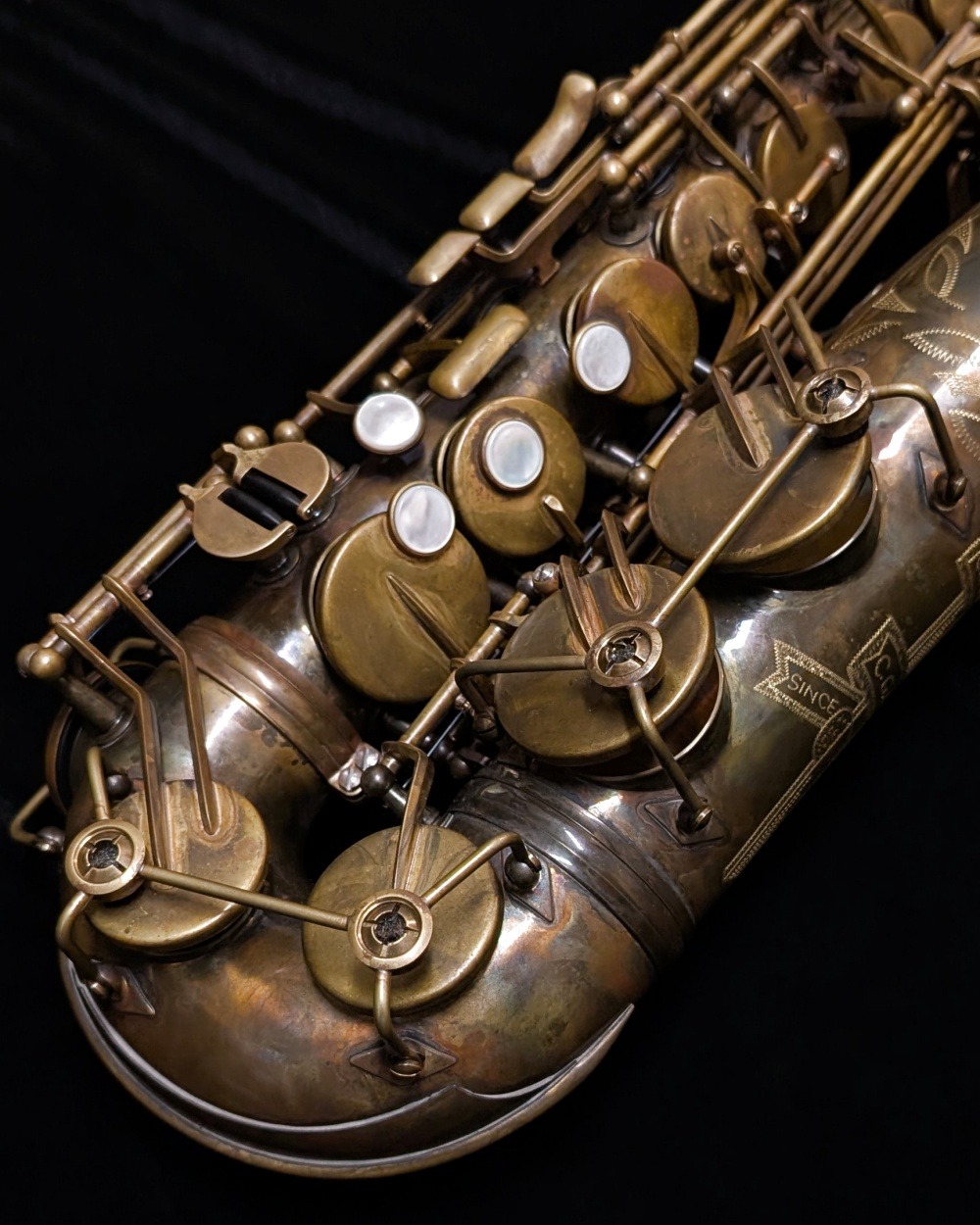
- Art-Deco Hand Engraving
- Heat-fused aged brass finish
- Custom hardshell case
- Hand-Finished Brilhart Ebolin Mouthpiece
How Does it Play?
Simple answer: Huge!
Conn has created an instrument with superb acoustics. The CONNfirmation’s sound is resonant and even throughout the entire scale of the instrument. Free blowing, expressive and remarkably balanced in tone, response and intonation.
So why make it a Limited Edition only?
The CONNfirmation was designed and built as more of a prototyping concept for the upcoming reintroduction of the Conn brand to saxes in the market. Prototyping a new design requires immense time, effort and expense to do. With this sax, Conn was developing the bore concept and feature sets to be utilized in the eventual release of the new Conn models. While we do have some inside information on these new models, we cannot share them yet – pinky swears are legally binding in the music industry after all! However, the acoustic elements designed for these horns were just too impressive to NOT let get out on the market. So that is what Conn has decided to do in this release of the Limited Edition CONNfirmation model alto sax.
Each horn as a limited edition number on them – but get ready for a little wonkiness… there are only 40 that are being released on the market, but the series numbering (marked on the bell to bow band) will be in an xxx/150 format! So even though there are only 40, the series indicates that there are 150 – but there never were! Only 40. So we have numbers 40, 43 and 61.
Professional Setup – Truly Necessary!
We setup every horn before shipment to make sure they are amazing – this is nothing new to us. However, as these horns were effectively production level prototypes, we found that the professional setup was even more needed than ever! Don’t misunderstand us on this – the horns were built well, but padding is an artform and the Conn factory in the USA hasn’t really padded a sax in a long time (decades). This is one of the reason Conn wanted these horns in our shop – the knew that we knew how to get the most out of them before shipping it to you!
Each CONNfirmation alto sax has been completely reworked and re-setup by our Saxophone ProShop. This way you know that you have a horn that will arrive to you in a truly impressive performance level, ready to amaze.
Media files
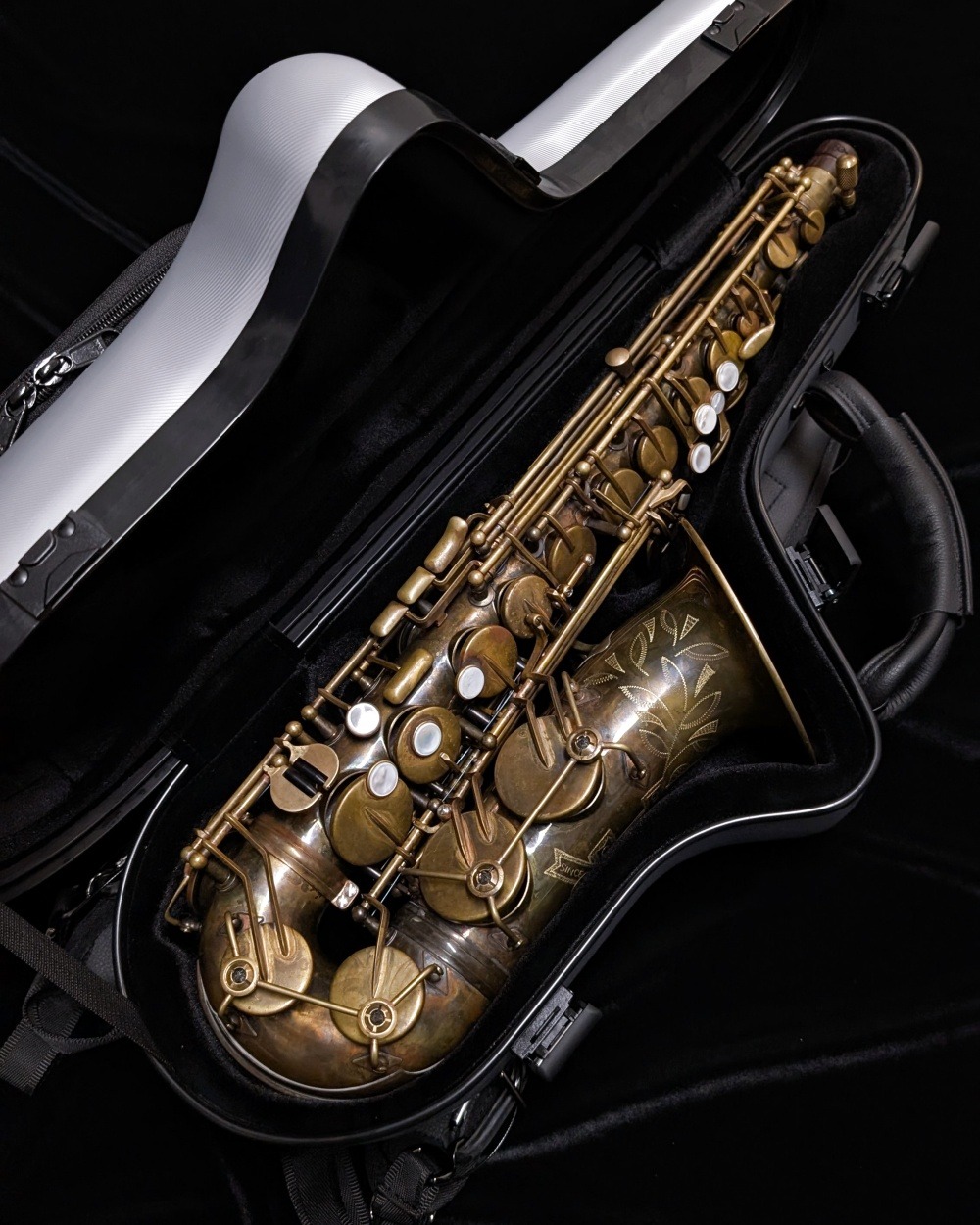
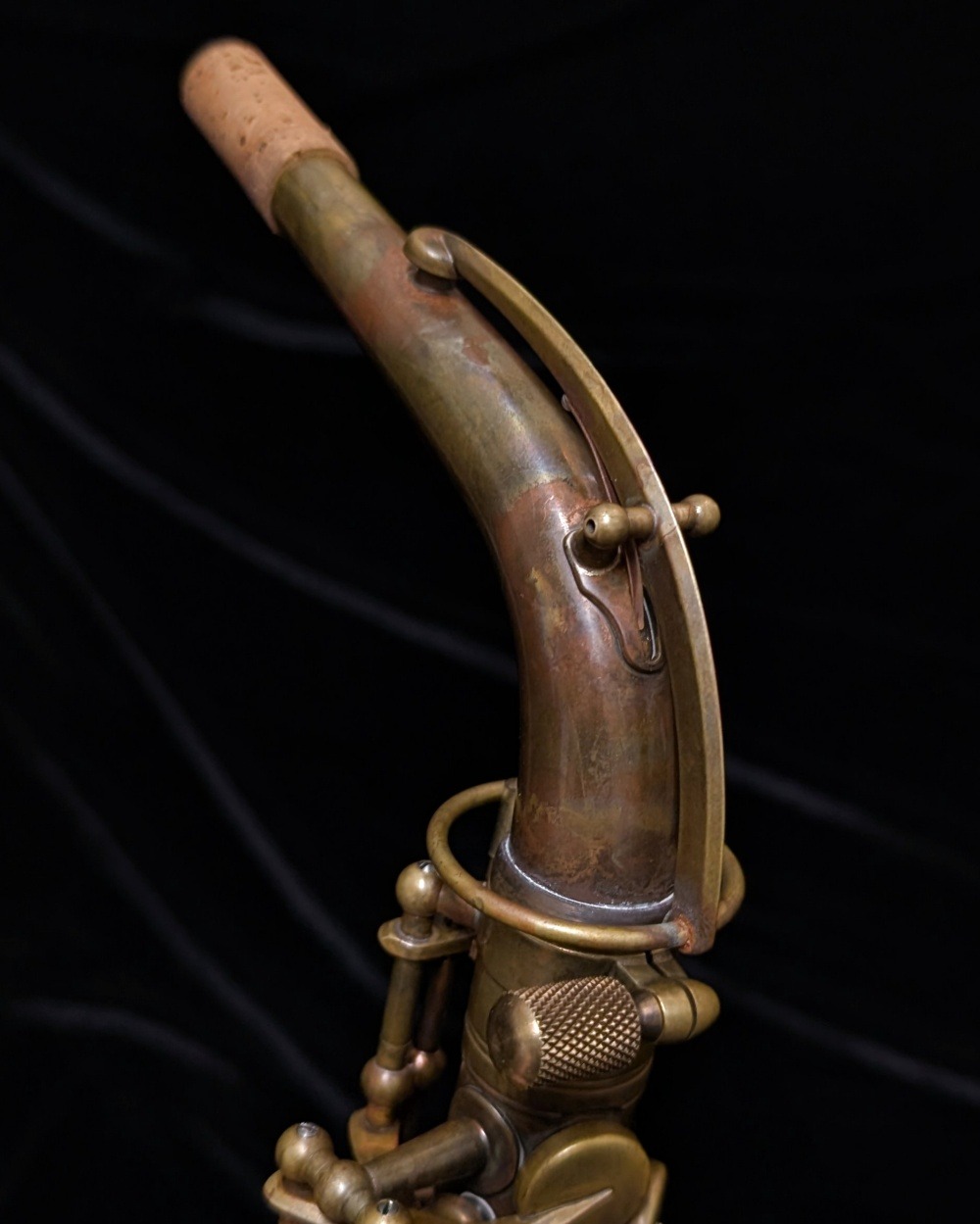
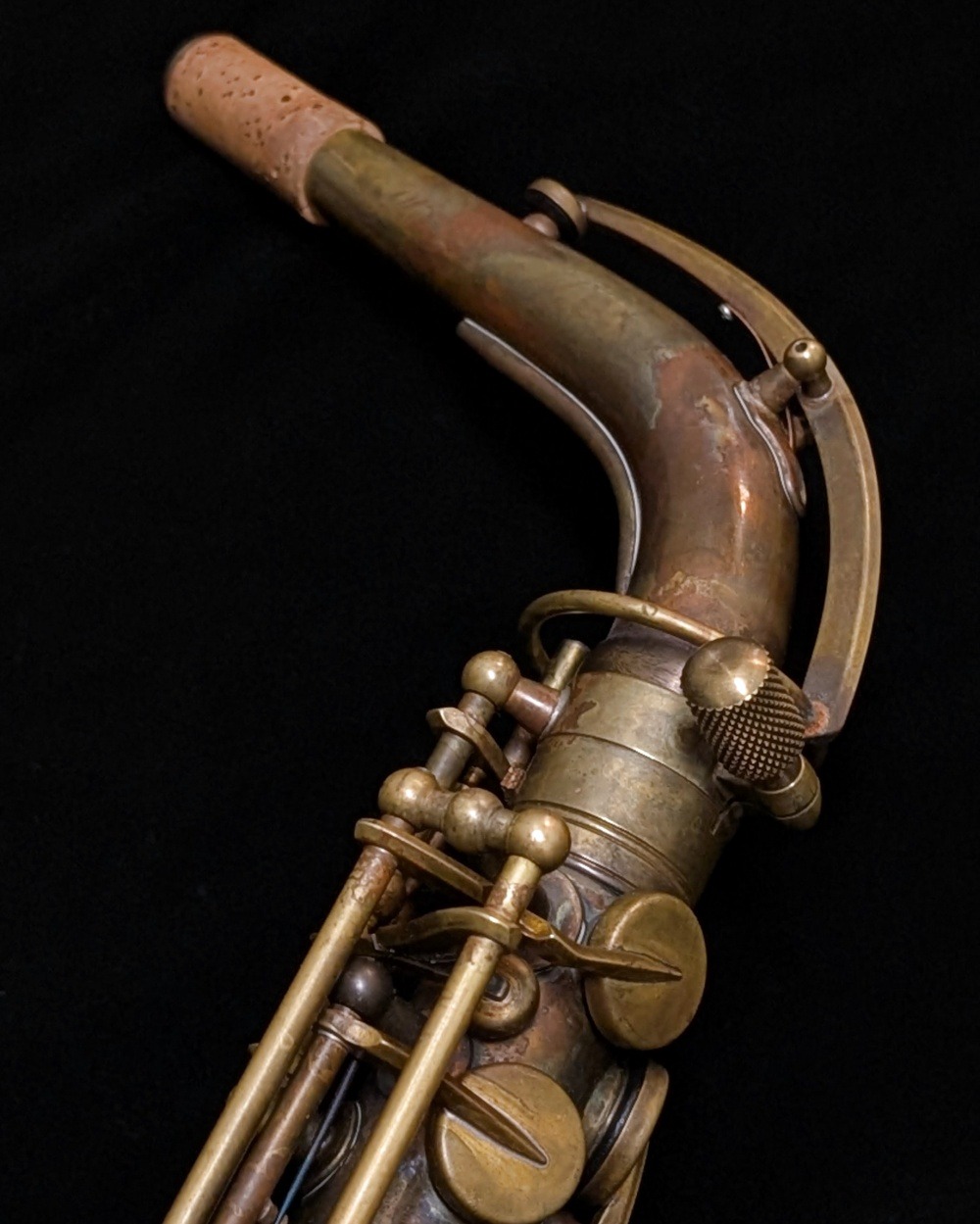
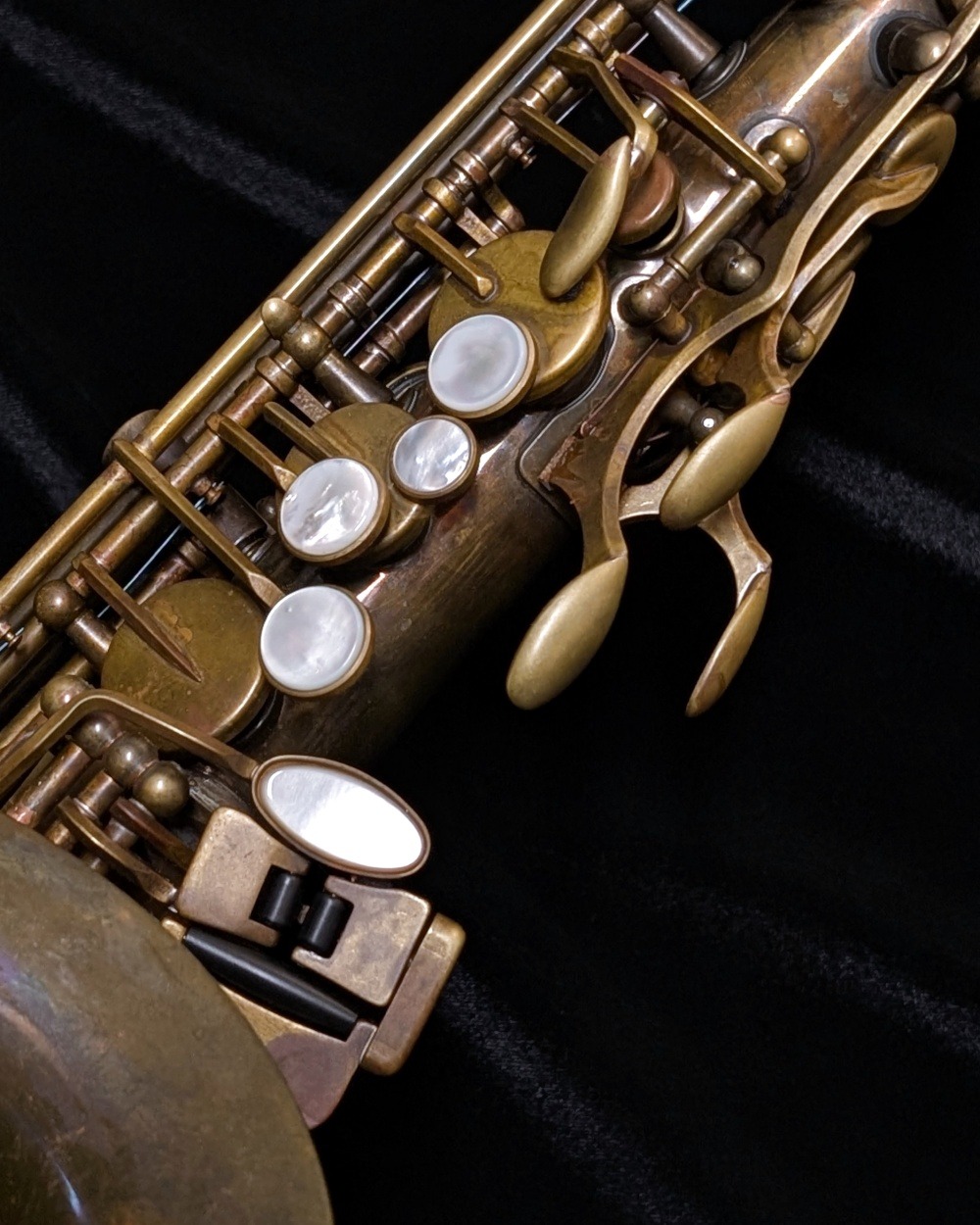
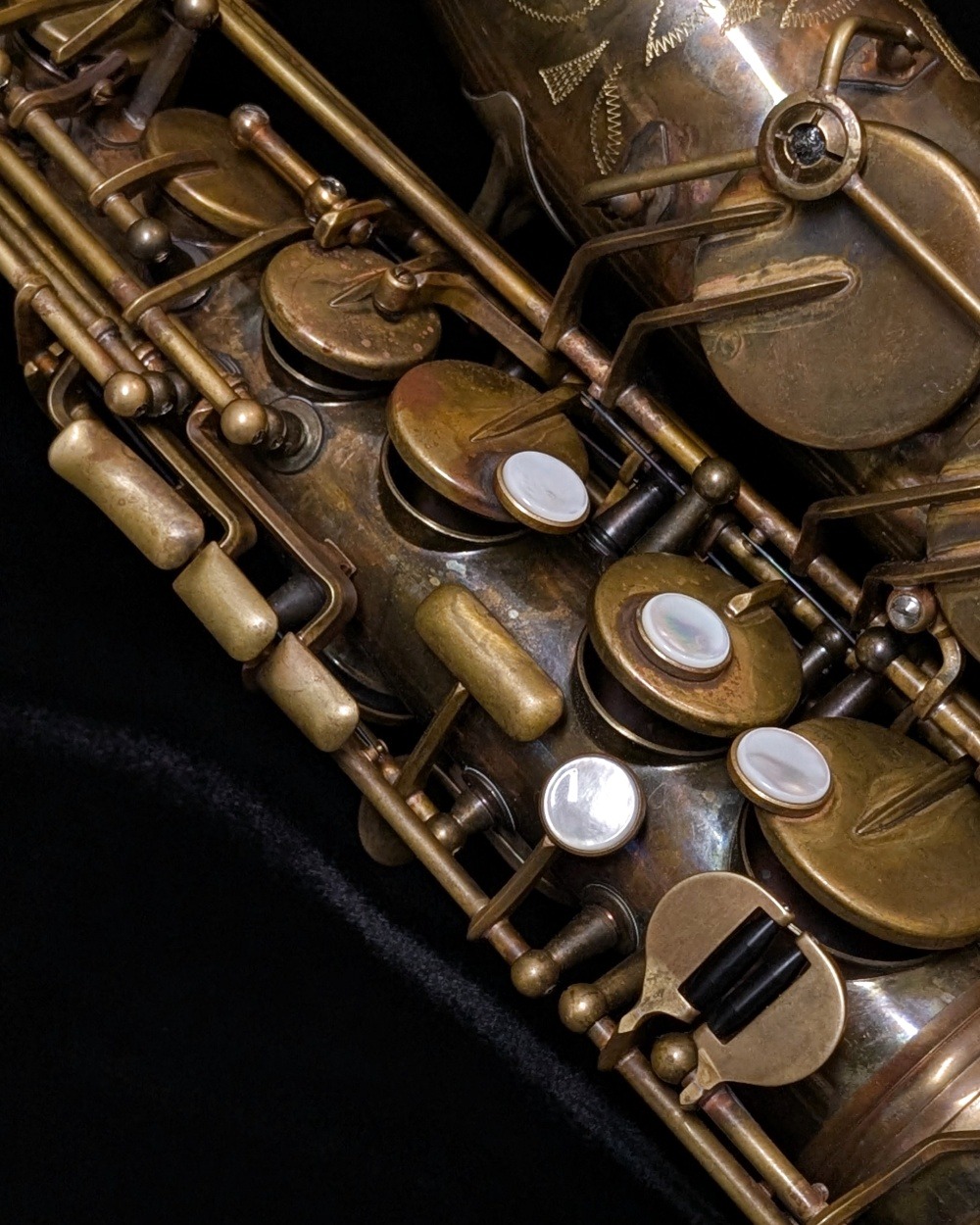
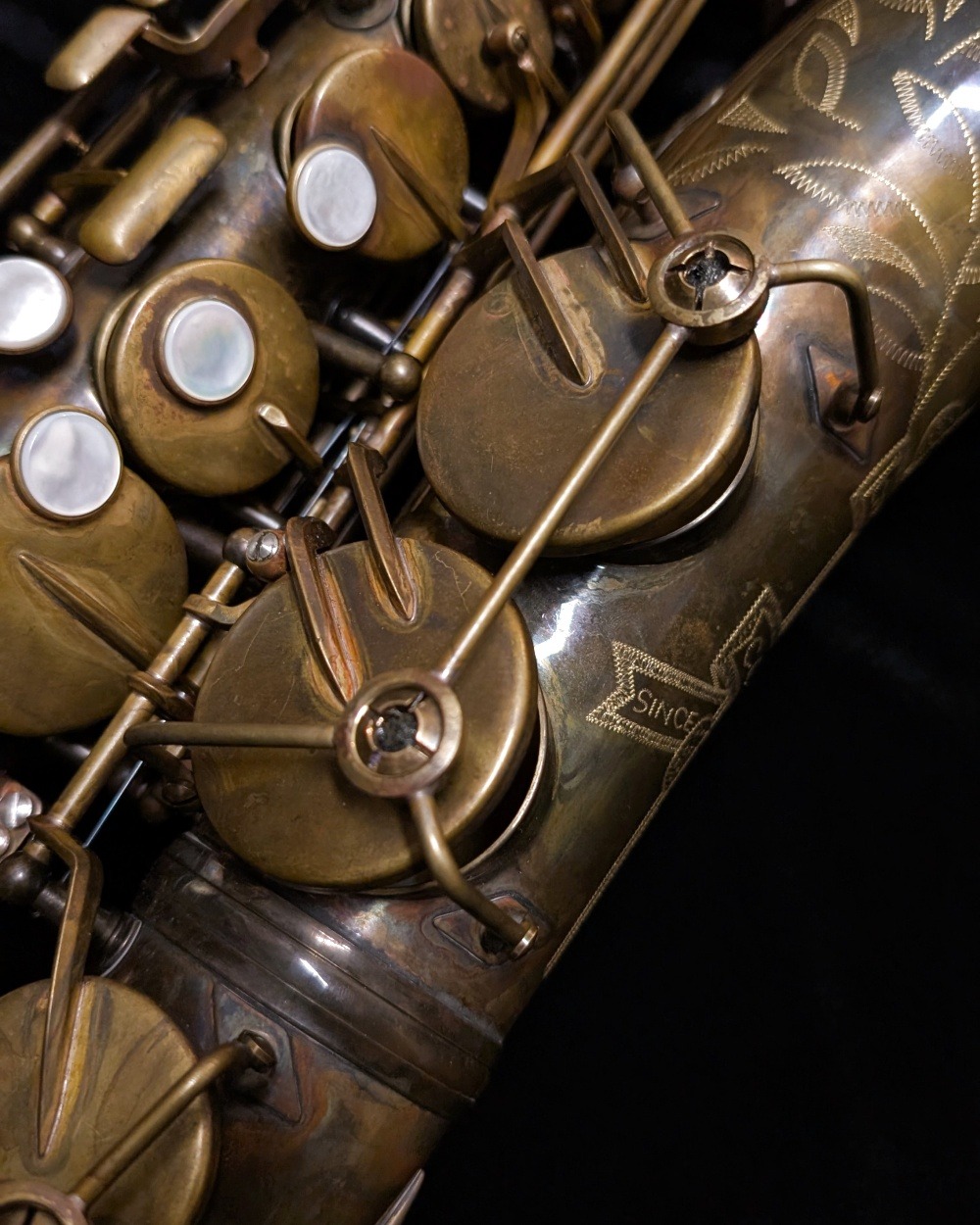
Connfirmation alto photo gallery
Thank you to Dave Kessler of Kessler & Sons Music.
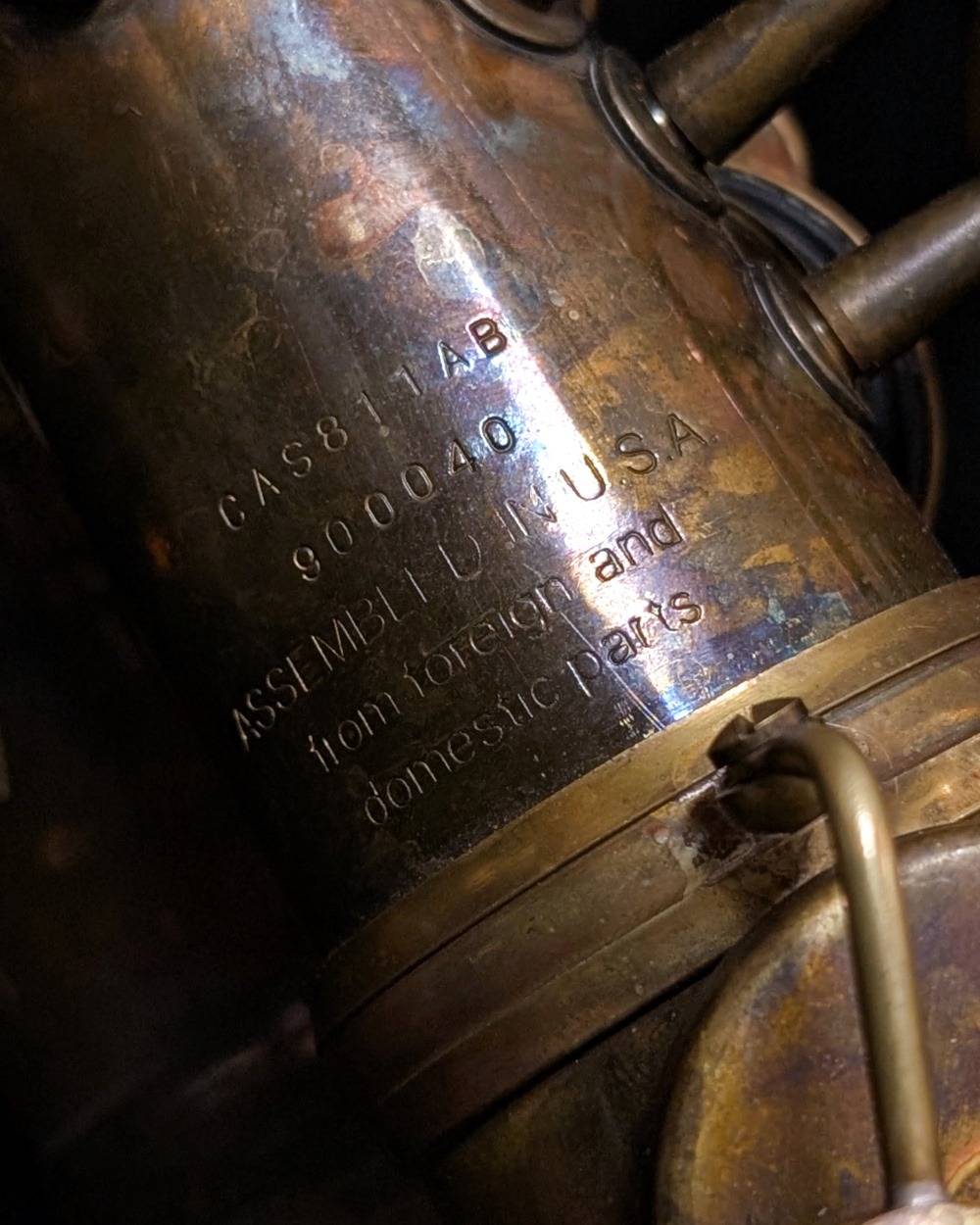
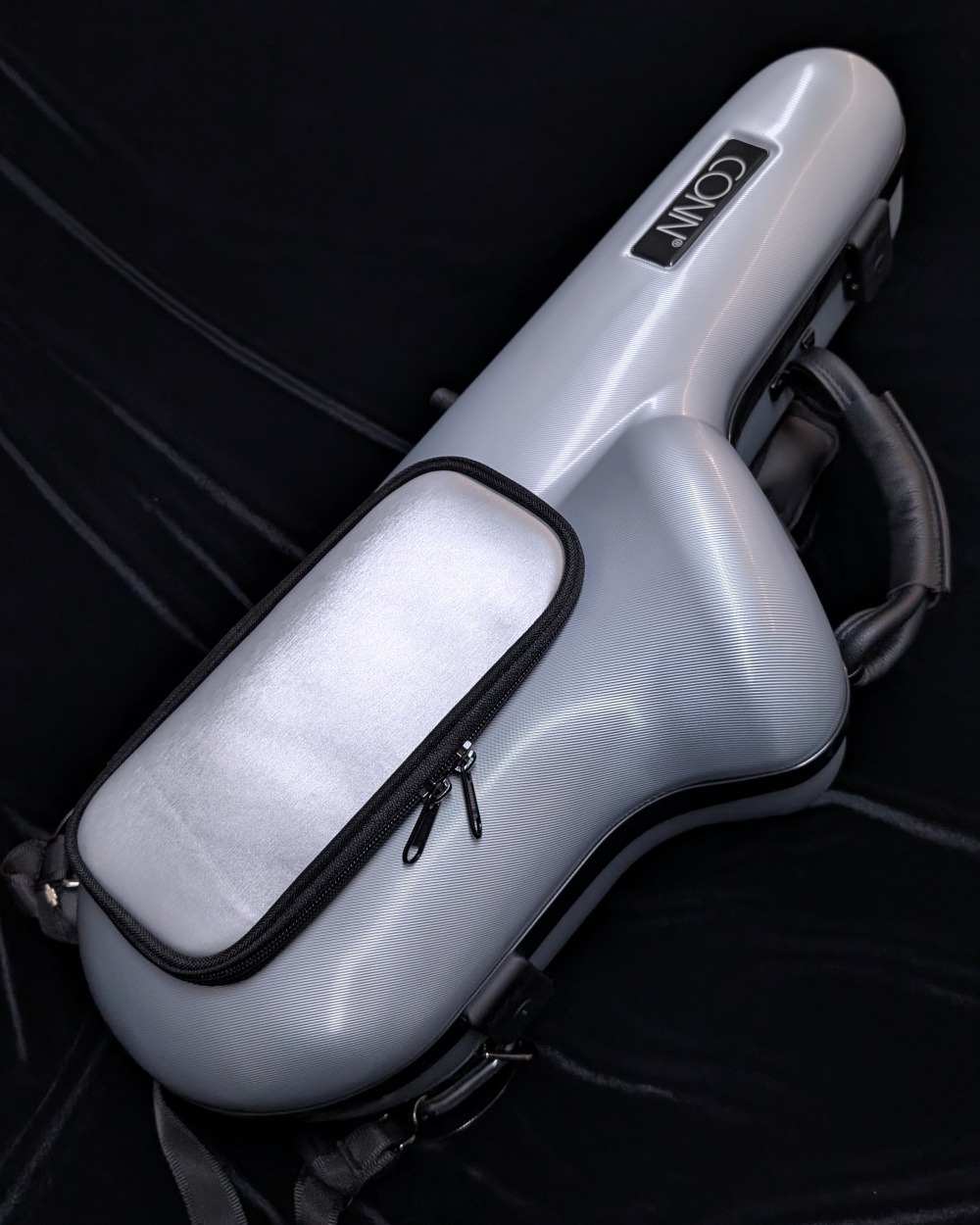
Video
To date Conn Selmer has provided only 1 video of its CAS811LTD150. Interestingly enough, the horn that Brad Leali is demonstrating likely a prototype (or a prototype of a prototype if you will), or a one-off, since it has what appears to be a sterling silver, or silver plated bell and neck—reminiscent of the Silversonic Super 20. I have no come across mentions of any other CAS811LTD150 saxes with silver anything
Lorenzo Ferrero has had a prototype for 3 years, and has been using it for those 3 years. On the days of the horn’s public release, he finally released the video he recorded on the day he unboxed his for the first time. Note that the MP he is using is his own, and not the stock reissued Arnold Brillhart Ebolin that comes with the CAS811LTD150.
The Sax Stable in Los Angeles recorded this unboxing and detailed product explanation. To date, it is the most extensive posted.
Interview with Ryan Lillywhite from Conn Selmer
As soon as I saw the negative commentary from all the keyboard warriors on the Net, I decided to reach out to one of my musical colleagues who I have had for years: Ryan Lillywhite. I have been in contact with Ryan for a decade+, and have followed his work at Cannonball with a great deal of interest. He and I also share a love of fine, vintage saxophones, so over the years we have chatted about some rather obscure horns he’s had in the shop.
I knew Ryan had left Cannonball and taken a job at Conn Selmer, which is why I thought it made sense to go to the source directly. The following is an interview he did about the CAS 811:
Background
Helen:
What is your position with Conn Selmer? What does that entail?
Ryan:
The official title is Senior Director of Product Management, meaning I lead our team of product experts in developing and maintaining our portfolio of woodwind and brass instruments. Within that role I directly oversee saxes and flutes, and with my background as a saxophone technician and a general aficionado of both vintage and modern saxes, I love being deeply involved in the sax world.
Helen:
How did you get involved with the project?
Ryan:
The Conn sax project has been in the works for many years, since before I joined the company in early 2023, and has been a challenging and exciting part of my responsibilities since then.
Helen:
Could you explain the decision-making that went into Conn Selmer’s choice to go back to saxophone making?
Ryan:
The Conn sound dominated the saxophone landscape for decades and is still beloved by many modern musicians. The con(n)cept started with the question: “If Conn saxes had continued to evolve, what would they look like today?” As you could imagine, the first two jumping-off points were clear: (1) everyone wants the big, warm, colorful, robust flexible Conn sound, and (2) nobody will miss the old Conn ergonomics. And so our team set about creating the modern Conn sax.
Then the question follows, “What’s the best way to put that together?” We took advantage of the expertise we have both here in Elkhart, with our Bach brass factory that makes legendary trumpets and trombones, and with our overseas factory where we’ve been building saxophones for decades. The recipe combines the best ingredients – from Bach brass to Pisoni Pro pads – with the best forming, shaping, soldering, finishing, and assembling to create the modern Conn sax.
Design
Helen:
I see a lot of retro styling on the instrument. The upper 8va key is the first thing that I noticed that looked A LOT like what we saw on the NW series and its contemporaries. Drawn/rolled tone holes is another. If I went point by point I could fill a page with front facing features. I’m therefore more interested in what it has that can’t be seen from the outside.
- How does the bore design compare to the NW, 6M, 26M, 28M
- How does the neck design compare to the NW, 6M, 26M, 28M
- How does the bow design compare to the NW, 6M, 26M, 28M
Ryan:
As I mentioned above, the intent of the new Conn is to introduce a modern Conn into the sax world, with refined intonation and a bore designed to match modern mouthpieces of various chamber sizes. Because of that, replicating the old Conn bore was ruled out fairly quickly.
The bore is larger than vintage Conns. For example, a 6M VIII I have measures 0.867” I.D. at the neck tenon. The new Conn starts at 0.900” at the top and tapers out from there.
Helen:
I am an idiot in the field of saxophone physics, so please excuse this next question if it is completely moronic.
These older horns—Conn models et al—had inline tone holes, this one presumably does not. How does having offset tone holes change the nodes?
Ryan:
The effects of tone hole spacing, diameter, and chimney height have far greater impact on the acoustics than does the radial placement of the hole; because of that, combined with the ergonomic disadvantages of inline stacks, we easily decided on offset.
Helen:
And the follow up to this:
If there is a change in the nodes, would this change the way the horn ultimately responds/sounds vis-à-vis vintage Conn altos. Or are the nodes not affected by the tone hole placement, therefore not going to effect the response/sound.
Ryan:
(see above)
Helen:
I am curious how the choice of the name came about. The name is reminiscent of the Connqueror and Connstellation, yet it doesn’t use Lucite or a newer type of plastic for any key guards, key finish, or underslung octave key—or any of the other features that made those models unique. That seems a bit discordant, yet on the other hand not.
The horn looks older in style to both of them, yet newer at the same time. The best description that I can come up with is a postmodern, retro throwback to the glory days of the saxophone’s past when anything seemed possible, and when speakeasies and flappers reigned supreme.
So how did Conn Selmer decide on the name Connfirmation?
Ryan:
You wouldn’t believe the number of puns that have been connstantly flying around throughout this project … it’s out of conntrol. Actually, you’re a sax player, so you’ve probably already come up with a handful yourself.
You nailed it with the retro-modern description. Bird played a Conn early in his career, later recording his famous tune Confirmation. That certainly conntributed to the new namesake.
Craftsmanship
Helen:
How was the engraving done? By hand? Laser? Other?
Ryan:
These are all hand-engraved, and the art deco pattern was designed by none other than the famous Sherry Huntley who spent her career here at Conn Selmer and learned from the lineage of legendary Conn engravers back to Gardner and the Stenberg brothers.
Helen:
Where are these craftsman who build them here in the US from? Did they get imported from a factory in Taiwan, or get trained by crafts people from there?
Ryan:
Here in Elkhart we have a talented team of technicians who inspect, adjust, and play-test the instruments we make fully in the USA, overseas, or a hybrid like the new Conn. Some of these techs were selected and trained to assemble the saxes, and training was a “best-of” combination from our internal master techs, local repair gurus, and the experts from our overseas assembly lines.
Helen:
Without disclosing company secrets, if you can, could you give me any ideas what parts were manufactured in the US?
Ryan:
Let me take it back even before that. This sax is part of our Conn Sonic initiative where, with researchers at the University of Notre Dame, we conducted a sort of forensic analysis on vintage Bach trumpets to look at the grain structure, composition, thickness, etc. to “impart some of the desired characteristics of the vintage instrument into its modern counterparts” (See the university’s writeup here The Grand Reprise | University of Notre Dame for more.)
That led us, for example, to testing (with overwhelming approval) the specific Bach brass for the sax tube, and to using generative engineering to create the new bell-to-body brace.
Helen:
The video from the Sax Stable states:
The bell, bow, neck, and body tube are all American Bach brass. This horn features true rolled tone holes. Past those items, there are other bits and pieces also being manufactured here in the USA, but Conn Selmer is not being fully specific on those items what the exact blend of foreign and domestic parts are.
Is this an accurate description of the manufacturing source for the main body pieces?
Ryan:
Since these parts are really the parts that matter most—as those really form the core of its sound—this would likely lay to rest many questions from players about the horn’s origins.
Yes, the statement from Sax Stable is accurate.
Helen:
Is each horn fitted with its own neck? Are they serialized?
Ryan:
The importance of neck fit, in my opinion, cannot be overstated. Many times it’s the difference between a great horn and a dud. And not just the neck fit itself, but also the mechanical effectiveness of the receiver and tightening mechanism, which can enhance or impede the important neck-body connection. Each Conn sax neck is fit to the receiver of the horn it ships with. The necks are not serialized.
Helen:
Are the necks fitted for a particular horn?
Ryan:
See above.
Helen:
Are there plans to make tenor at some point?
Ryan:
I can neither confirm nor deny that a Conn tenor is being developed.
Helen:
What are the future plans for these horn past the 40 prototypes?
Ryan:
This first limited series is the opening salvo, a resounding flare shot up to announce the return of Conn saxes. Since the pro model was released we also launched intermediate Conn Alto Saxophone in Eb CAS411DL | Conn Selmer and student Conn Alto Saxophone in Eb CAS211 | Conn Selmer Conn altos. A mass-production version of the pro model is coming but I’m not ready to share more details – yet. Keep an eye out in 2026.
Will future horns be constructed under similar condition with like materials?
Ryan:
The stellar sound that makes this horn stand out from the crowd is here to stay. Same with the responsive key action and the impressive intonation.
Response
Helen:
Sax Stable says the following about the instrument’s response:
Right off the bat, the performance of this thing is incredible. … The saxophone has incredible resonance. It cannot be understated. There will be subjective opinions that will vary person to person about the overall horn. However, one thing that cannot be argued is how truly resonate this saxophone is. When you ding the bell. When you touch the brass even without playing, the metal actually vibrates more than a typical saxophone. The entire horn resonates and vibrates at a level beyond what most horns will ever come remotely close to.
This reminds me of my naturally delacquered Zephyr I got from Sarge at WWS in 2009. I tried about about 6 or 7 unrestored Zephs, and this one was just different. There was indeed a resonance to it that none of the others had. It resonated under my fingers like no other horn I had ever played.
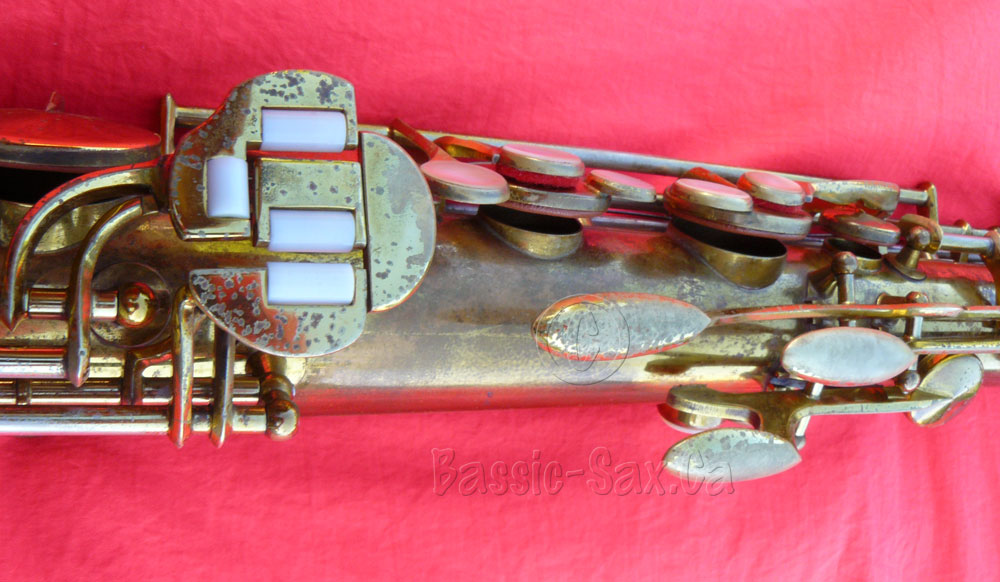
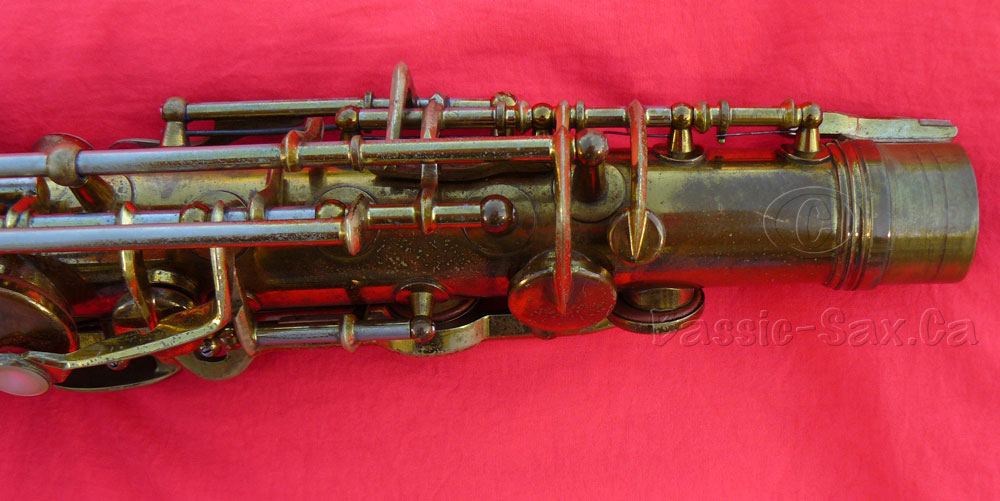
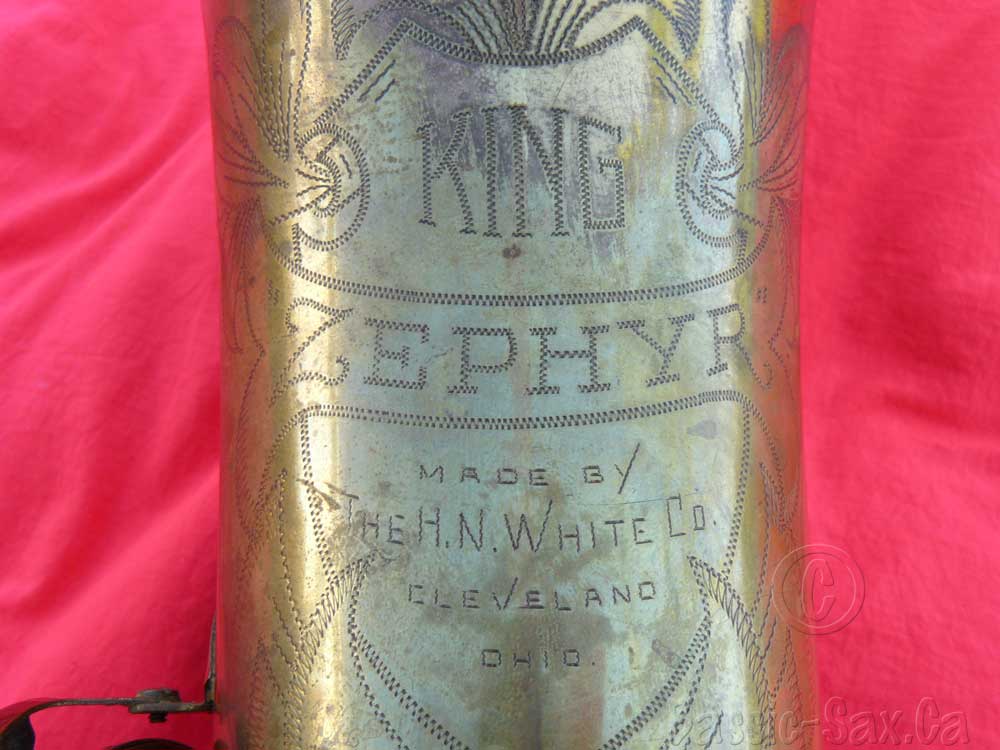
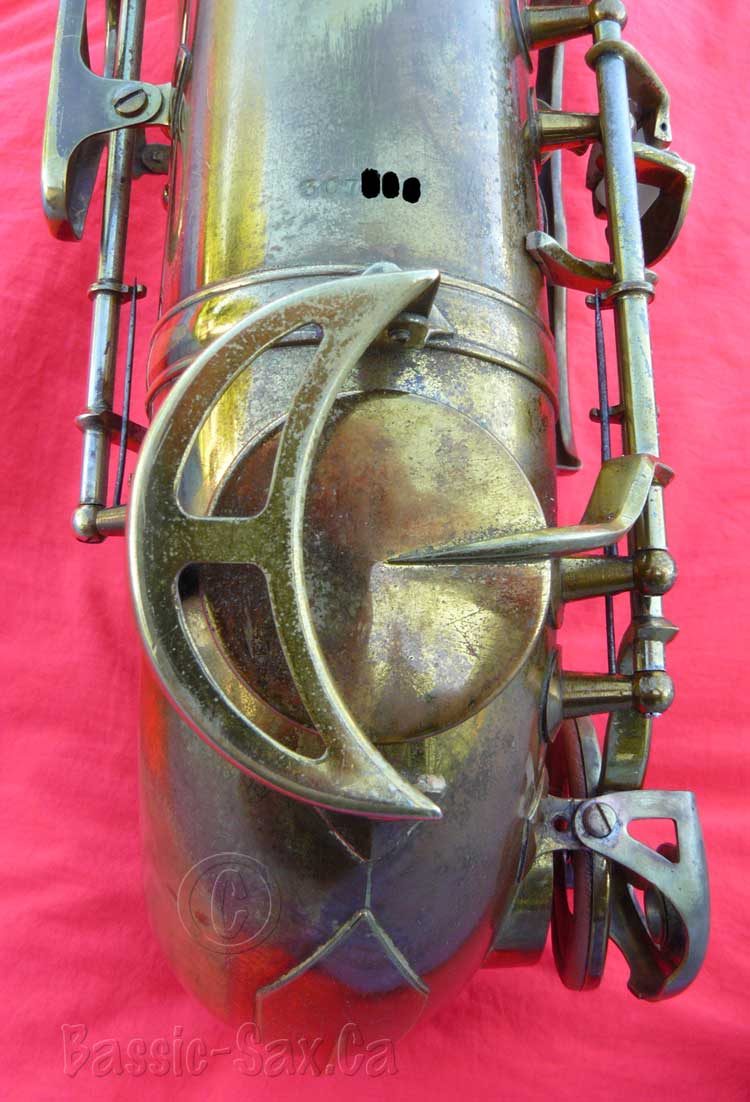
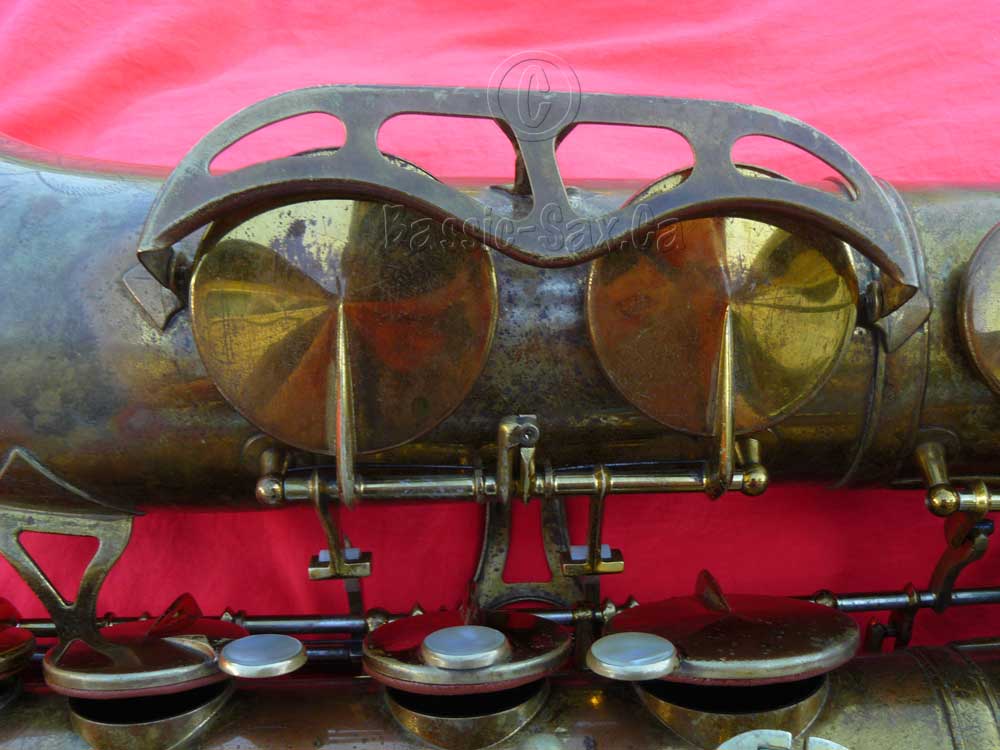
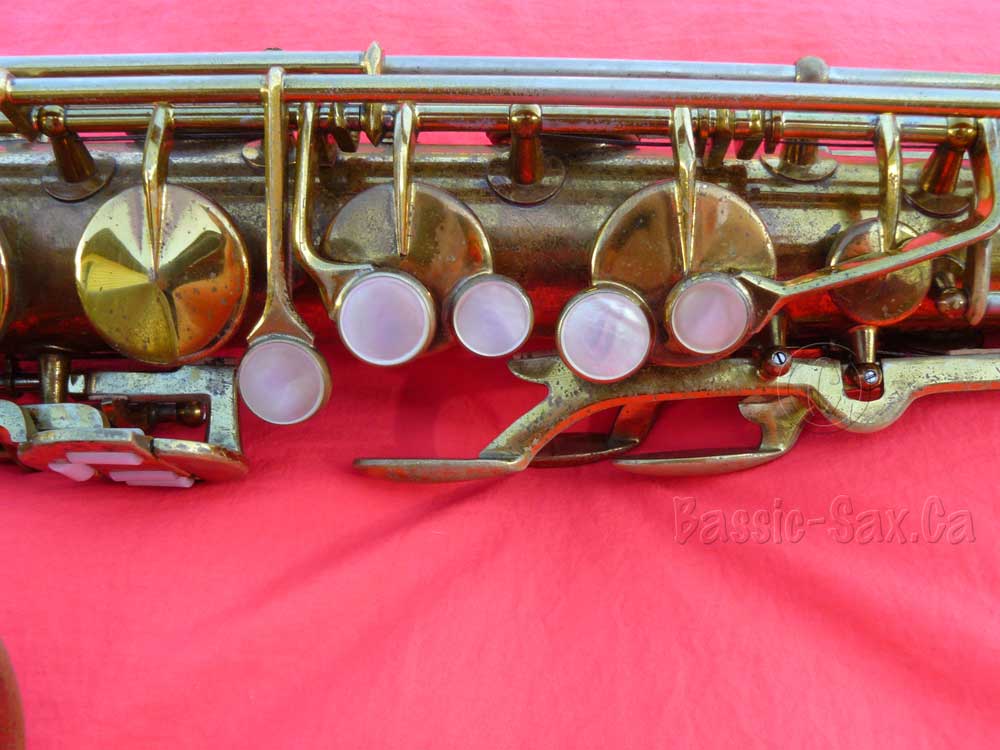
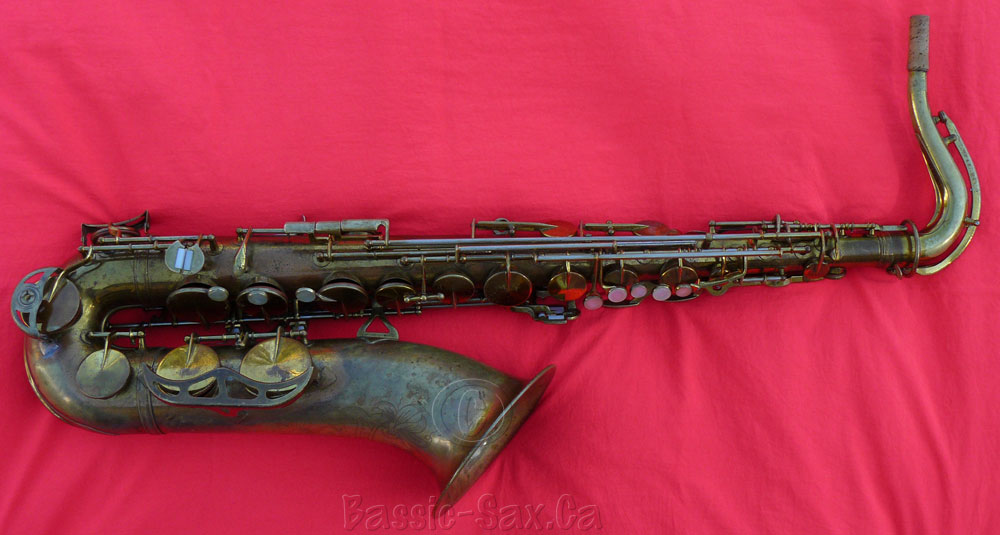
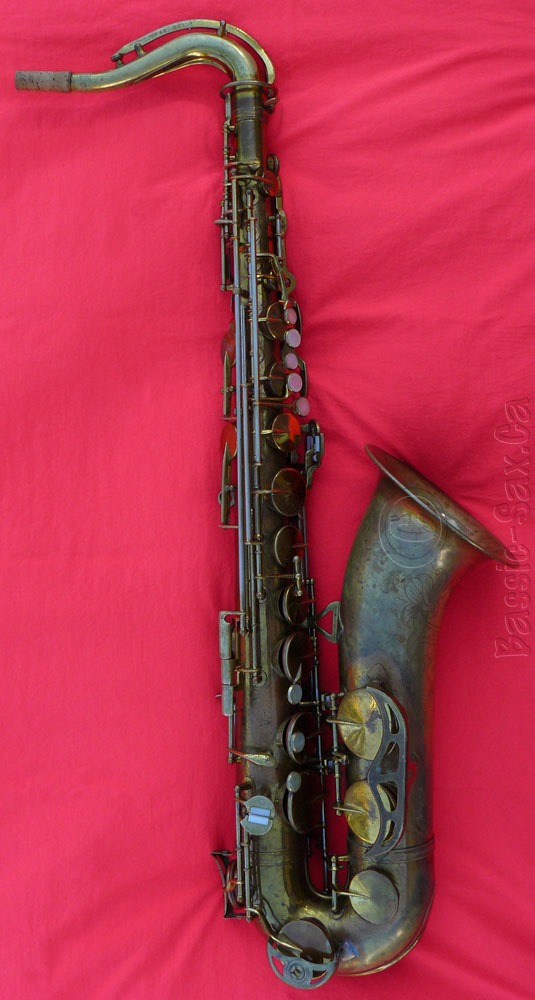
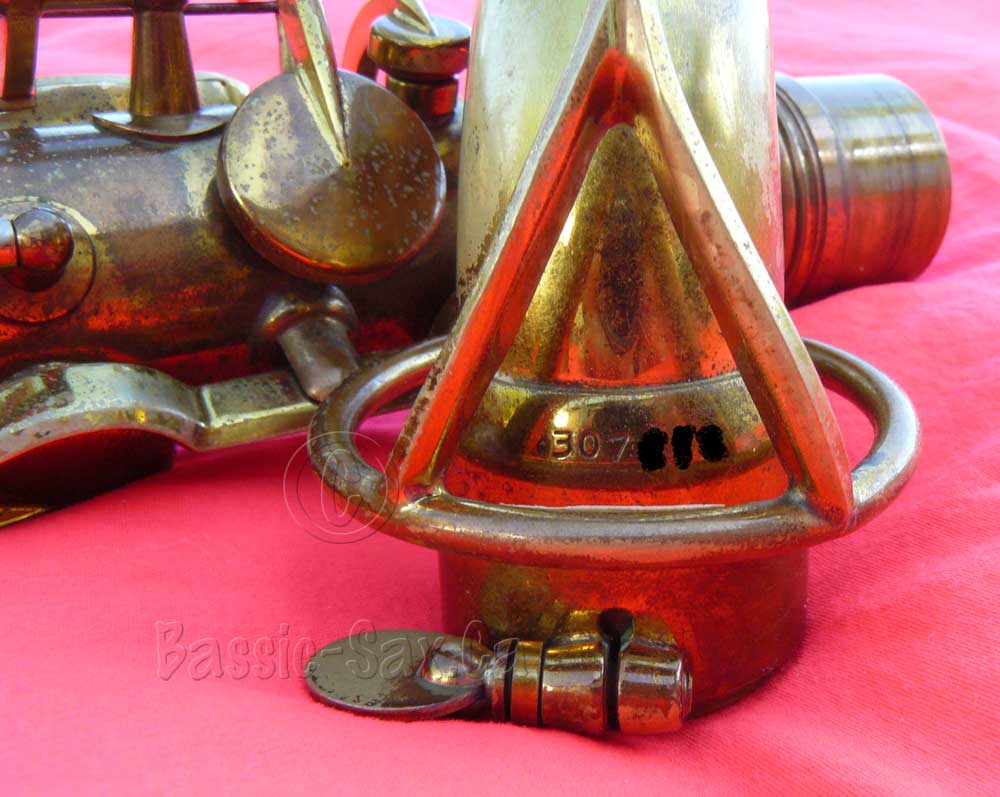
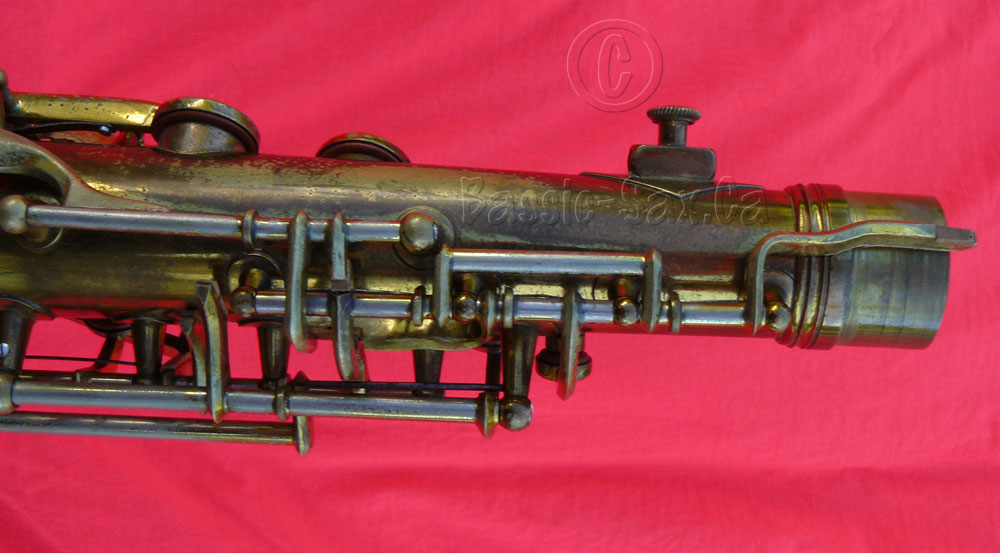
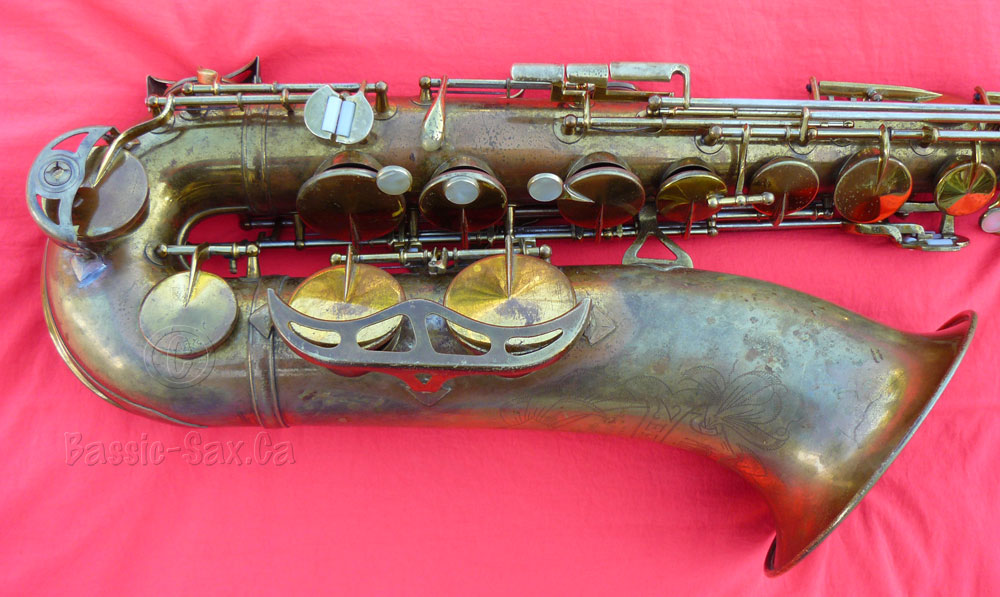
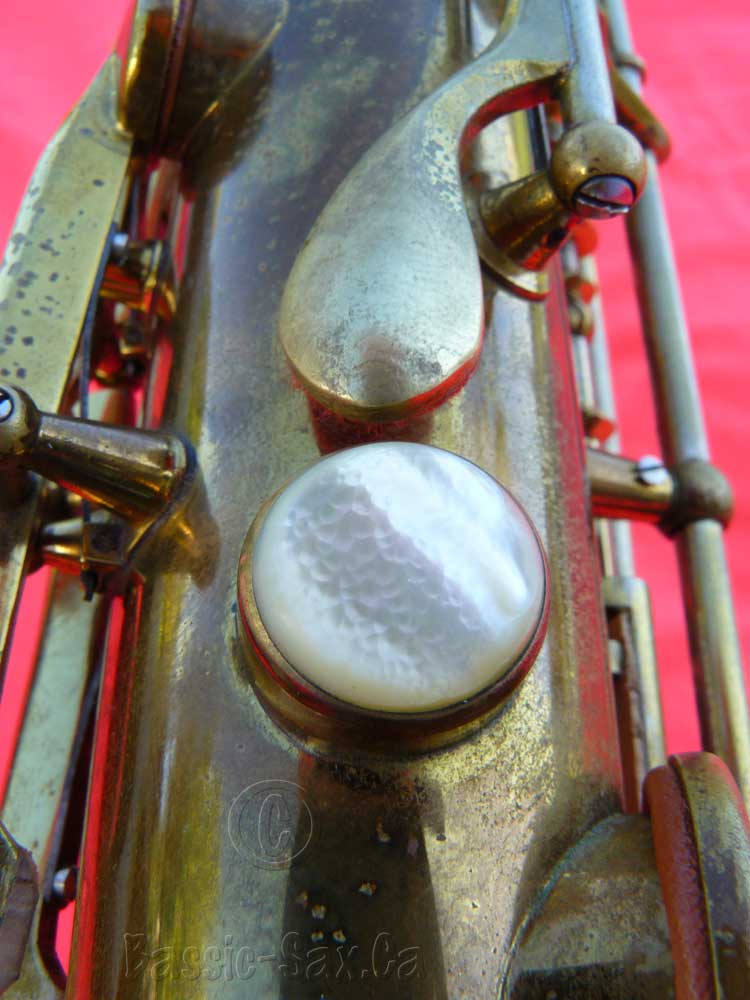
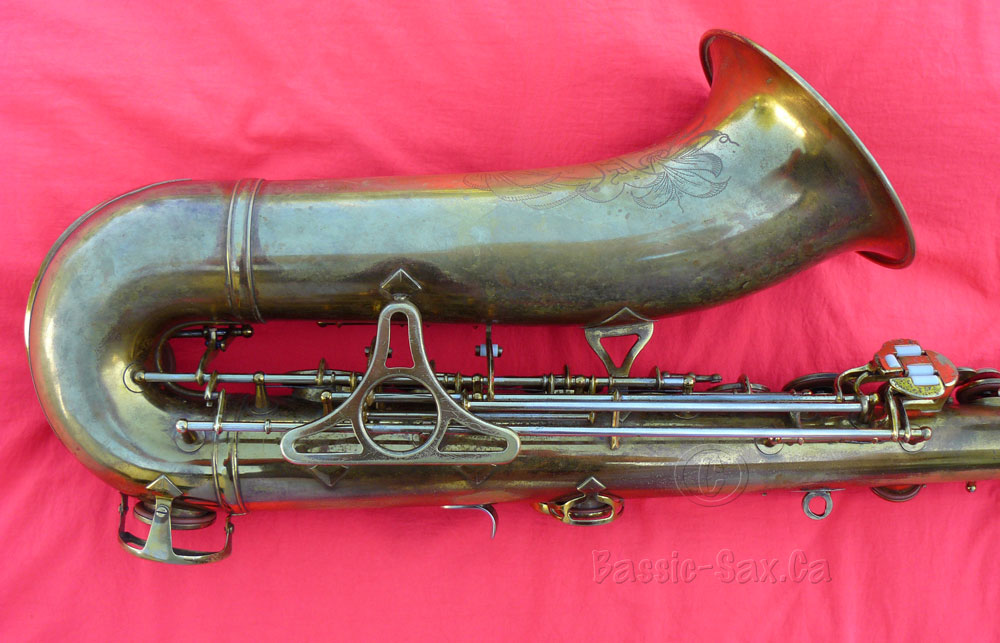
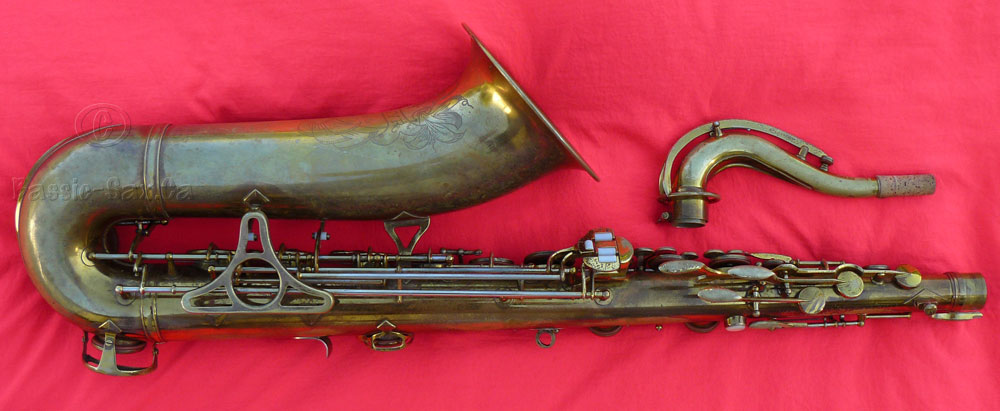
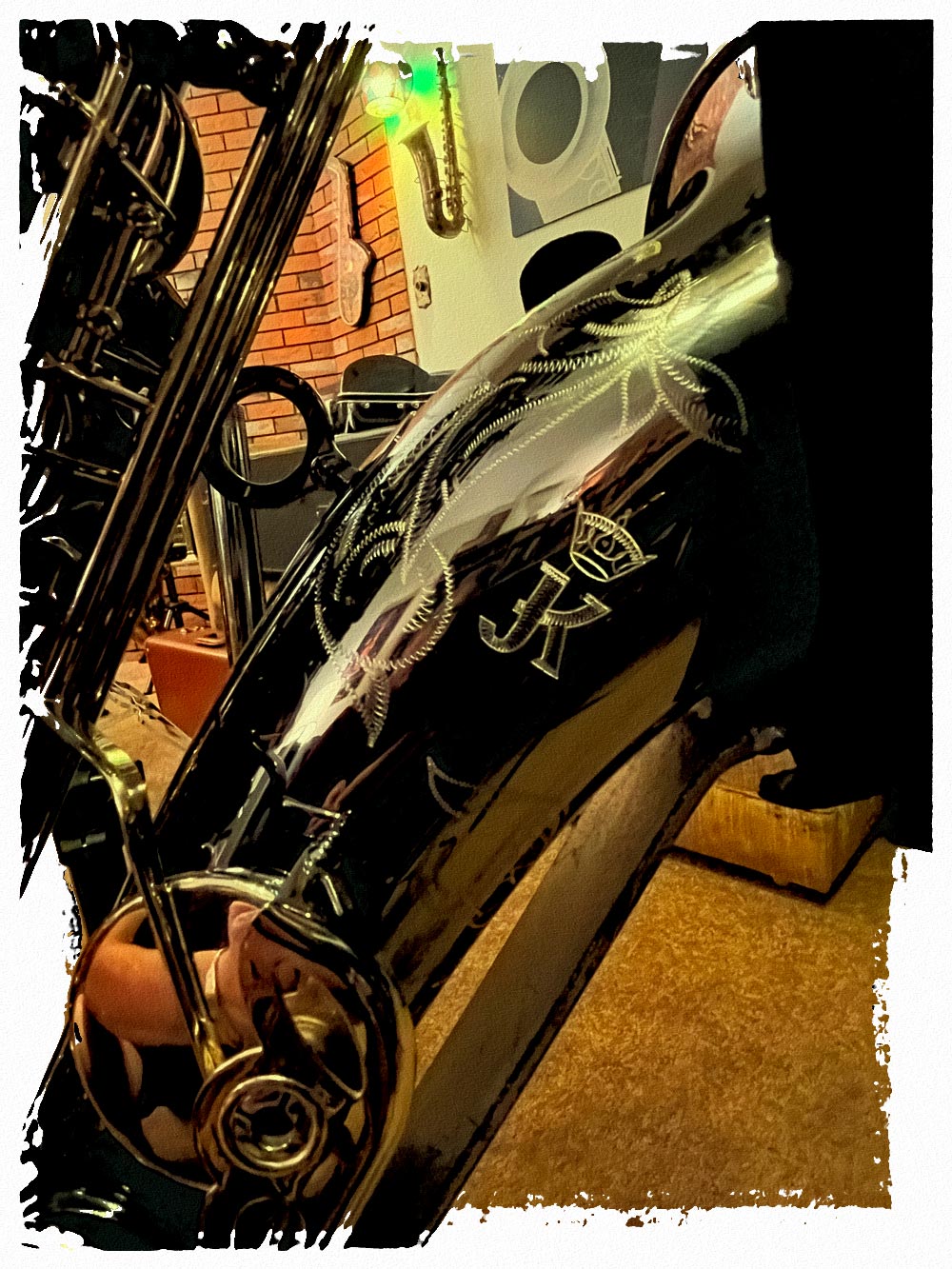
The other horn this description reminds me of is my JK SX90R Shadow tenor I got 2 years ago. It too has that same kind of resonance that the Zeph has, but it has a little bit something extra that you have hear to understand. There is an immediacy to the starting and stopping of the sound. It is by far and away the most impressive saxophone I have ever played in my life.
Both of these horns of mine have that same kind of resonance that is being described by Sax Stable.
To what do you credit this response of the Connfirmation?
Ryan:
I love the sound of a good old King sax too! The neck design is responsible for most of the response. One reason the Zephyr resonates so freely is the post-to-body construction. Most modern horns have ribbed construction, which adds more mass and has a heavier “feel.” The CONNfirmation has the lightweight post-to-body construction which, in combination with all the other ingredients, ends up as a powerful, robust, flexible sound with lightning-fast response. I can’t wait for you to play one and let me know what you think!
Dave Kessler’s thoughts
Since Dave Kessler is the only person in my circle of musical colleagues who has experience with both the new CAS 811, and the JK SX90R Shadow, I wanted to ask him about how these 2 models, from 2 totally different manufacturers, compared/contrasted. This was our exchange:
Helen:
Hi Dave.
I hope you are still the one answering these emails?
I am in the process of doing an interview with Ryan Lillywhite from Conn Selmer about the Connfirmation alto. I am trying to clear up a bunch of the misinformation being perpetuated on sax boards everywhere.
Dave:
Glad you reached out as I have a ton of back story on this horn and project dating back many years (10+) – though much of that has to stay CONNfidential.
Helen:
How does the resonance of the new Conn compare the JK Shadow?
Dave:
…that’s obviously subjective. In regard to the Shadow, what makes that horn special is the use of the nickel-silver alloy in lieu of traditional brass. Personally, I find that nickel-silver tubing on a sax shares a similar resonant ring & presence to sterling silver, but with a bit more “grit” to the sound vs sterling silver’s “cleaner” tone.
The Conn doesn’t, in my opinion, have that same “nickel-silver ring” to its resonance like the Shadow – nor should it as the Conn is made from brass. However, it does possess a similar tonal presence, which was part of the goal in seeking to emulate the trademark sound of the older Conn horns.
Instead, this horn (the CONNfirmation) has a rather impressive amount of tonal core/depth (call it darker as well if you prefer) to blend with the presence.
So in comparison to the Shadow, both have a similar tonal presence, with the Shadow bringing a more gritty resonance, and the Conn a thicker tonal depth. Both are very fun horns to play.
So in conclusion then
According to Ryan Lillywhite from Conn Selmer, this Conn CAS 811 is a limited edition, PROTOTYPE of a pro level alto saxophone that Conn Selmer will be introducing at some point in 2026. However, before this new pro model is released, new intermediate—CAS411DL—and student—CAS211—models have already been introduced by the company. That said, I got the distinct feeling by what Ryan didn’t say, that any new pro Conn offerings, will not necessarily be manufactured in the company’s Elkhart plant.
So what am I thinking?
Interestingly enough, the only alto that has ever let me come even close to achieving the true alto jazz tonal concept I have in my head, is a 6M that I picked up at a pawn shop for $450 Cdn—or as my friend Pete would say, $10 US. 
When I combine the 6M together with the Runyon Custom 6M MP—with or without Spoiler—I can sound like any jazz player from any decade I put my mind to. However, if I want a rock, electric blues, punchy Latin, or other edgy sound, I have to reach for another alto. For me, the 6M just doesn’t cut it.
I certainly would be curious to try the CAS 811, but sadly that is likely not in the cards since to the best of my knowledge none have been shipped to Canada. If I do find myself in LA, or at in another locale where one is located in a sax shop, I will definitely try and check it out.
A History of Innovation and Excellence
Our company has a rich tradition of innovation and unrivaled craftsmanship. Through strategic acquisitions and mergers with industry leaders including the Selmer Company, Steinway Piano Company, and United Musical Instruments (UMI), we formed Conn Selmer. In 2013, Conn Selmer and Steinway transitioned to private ownership under Paulson & Co. Today, as a subsidiary of Steinway Musical Instruments, Inc., we remain committed to musical excellence and delivering the highest-quality musical instruments.
2011 to present
In August 2013, Paulson entered into a merger agreement for the acquisition of Steinway Musical Instruments in a transaction valued at approximately $512 million.[38] The company initiated a tender offer within five days for all of the outstanding stock, and Steinway Musical Instruments board recommended that shareholders accepted the offer.[39] In September 2013, Paulson announced the completion of acquisition of Steinway Musical Instruments.
2 “In 1960, Conn acquired the Best Manufacturing Company of Nogales, Arizona, and moved most saxophone production there, although the “artist” models continued to be produced in Elkhart. The company has undergone several changes in ownership, and discontinued professional models in 1970.”
Source: Conn Saxophones: A History of Excellence and Innovation